
Let’s all agree that you don’t mean to damage your lawn. You love it. You take care of it. You spend Saturday mornings working on it when you could be sleeping in or taking kickboxing lessons.
Here’s the thing: your good intentions might actually be killing your grass.
Jump to Section
- First, Why Is Your Idaho Grass So Sensitive?
- Can Mowing Too Short Actually Damage My Lawn?
- Does My Lawn Need to be Fertilized Every Year?
- Are You Ruining Your Lawn with Too Much Fertilizer?
- How Can You Tell If You're Overwatering Your Lawn?
- Can I Damage My Lawn If I Don't Bag Grass Clippings?
- Are You Applying Weed Control the Wrong Way?
- How Dull Blades & Poor Mowing Can Damage Lawns
- Are You Adjusting Your Lawn Care Through the Seasons?
- Frequently Asked Questions About Idaho Lawn Care Mistakes
- Avoid Idaho Lawn Care Mistakes with Lawn Buddies
Here in Idaho Falls, common habits like mowing too short or watering every day can actually damage your lawn, and even kill it. (Why is Idaho grass so picky? We’ll explain in a minute.)
If you’re putting in the work but your lawn still looks stressed, you might be the one sabotaging it.
How are you accidentally killing your grass? Watering it too often. Mowing with a dull blade or mowing too short. Pouring on too much fertilizer. Or not fertilizing enough. Letting thatch accumulate. Applying weed control in the wrong ways. Forgetting to adjust lawn care throughout the Idaho seasons.
Let’s learn more about Idaho lawn care mistakes and what to do instead.
First, Why Is Your Idaho Grass So Sensitive?
You’re just out there trying to do the right thing and take care of your lawn. You thought you were pretty good at this. Why is it so sensitive?
Our high-alkaline soil, dry climate and intense sun make Idaho grass extra sensitive, and more susceptible than other lawns to heat stress, pests, and damage from improper maintenance. One innocent mistake with fertilizer or a dull mower blade can open the door for damage and disease.
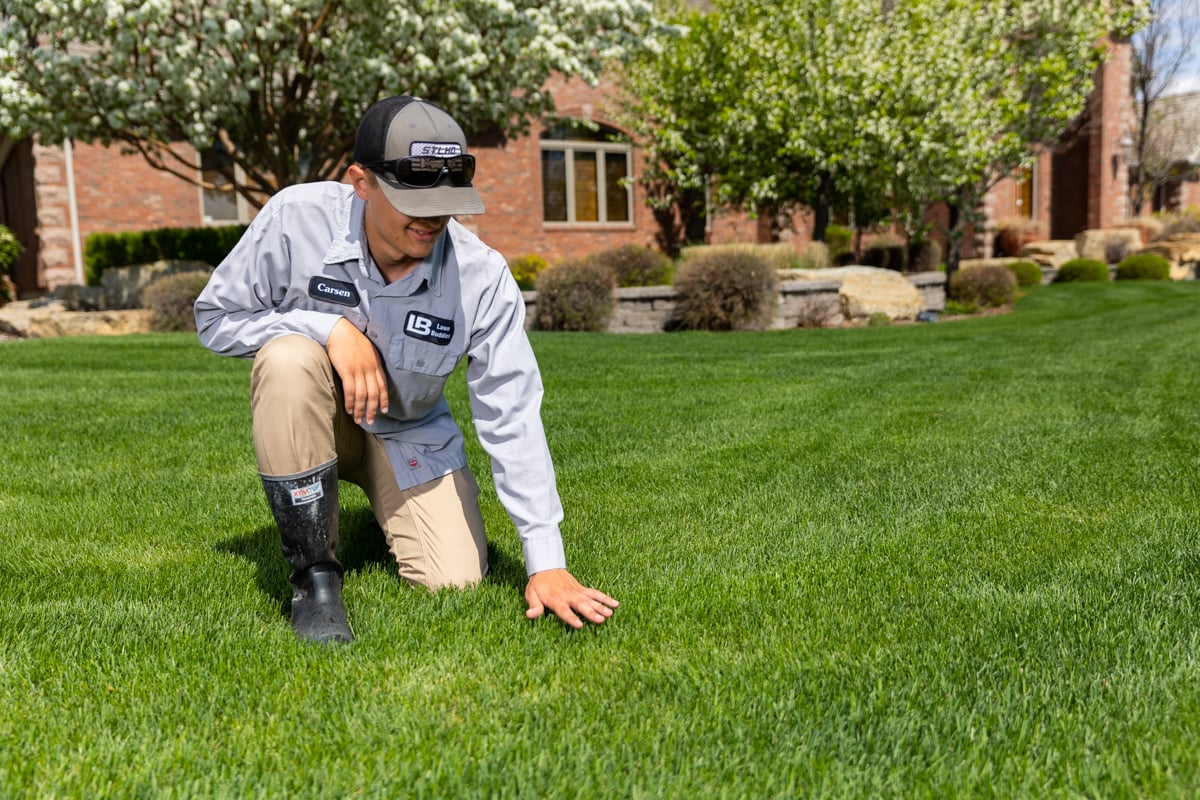
If your lawn is always struggling, even though you feel like you’re doing everything right, it’s time to take a quick quiz. You might be doing some lawn care tasks wrong. No judging — we’re here to help.
1. Can Mowing Too Short Actually Damage My Lawn?
You have good intentions here. Mow it short, and you can stretch out the time between mowings, right? More time for fun stuff like, well, just about anything else.
But cutting your lawn too short stresses the grass and makes it more susceptible to insect and disease damage. Never cut off more than a third of the grass blade at any one time to avoid ruining your lawn.
That way, the grass will develop a deeper root system to support the longer blades. That leads to a fuller, greener lawn.
What’s the mowing height for Idaho lawns? Your grass should be 3-4 inches tall after mowing. Go ahead — grab a ruler.
2. Does My Lawn Need to be Fertilized Every Year?
You know how you get when you skip breakfast, then a meeting runs long, so you don’t have time for lunch? Then dinner’s late?
That’s how your lawn feels when it doesn’t get all the nutrients it needs. It gets weak.
How often does your lawn need to eat? Here’s a handy feeding schedule for Idaho lawn care:
- Mid-to late-April, once the soil temperature reaches 55 degrees.
- Three times during the summer growing season: mid-May, around the end of June, and in early to mid-August.
- Fall. This final fall fertilizer treatment includes an important slow-release granular fertilizer that feeds your hungry lawn through the winter and helps it pop back up, ready to impress, in the spring.
Also, get your soil pH tested. Soil pH and lawn health are closely connected. Important nutrients for grass are available in soil when the pH is balanced. If your pH is off, your grass won’t get the nutrients it needs, no matter how much you fertilize.
3. Are You Ruining Your Lawn with Too Much Fertilizer?
That’s right, there’s such a thing as too much fertilizer. It’s actually a common Idaho lawn care mistake — and an easy way to accidentally kill your grass.
Too much fertilizer, especially with high levels of nitrogen, will cause lots of pretty green blades of grass, but not enough root growth. Too much fertilizer will actually burn the lawn.
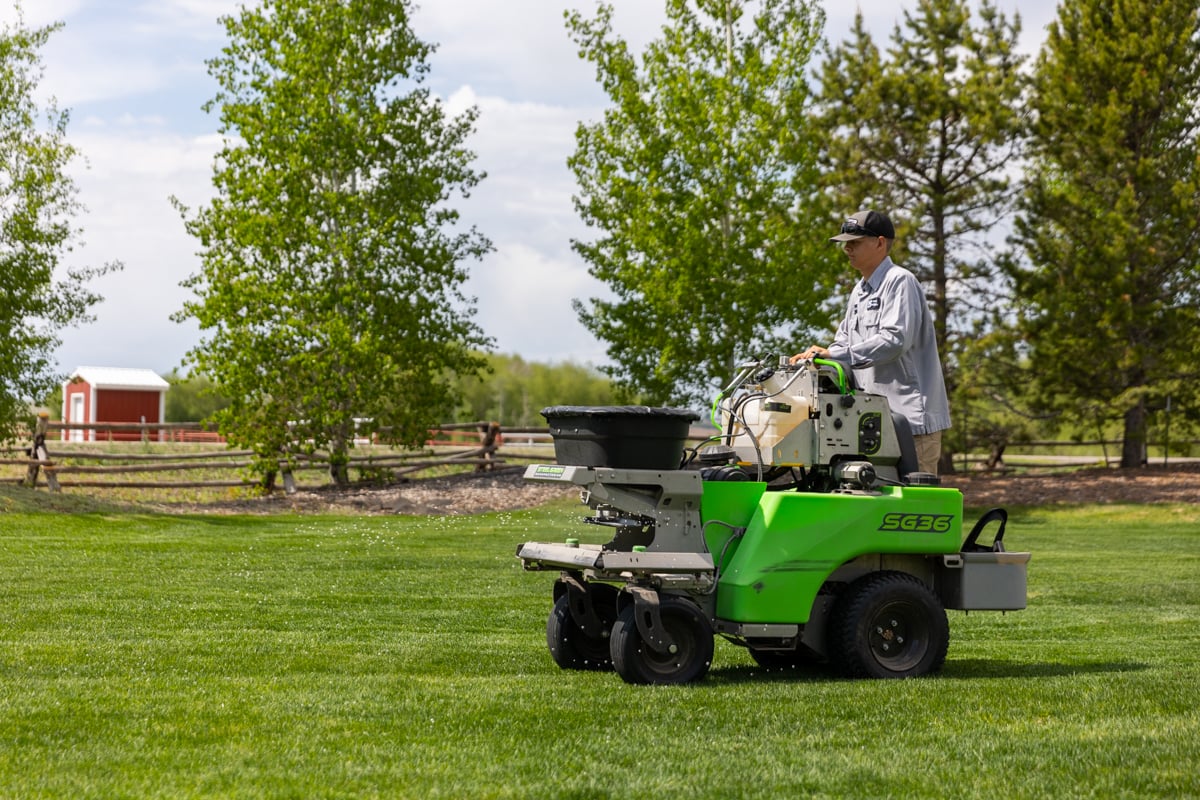
Applying too much fertilizer isn’t just bad for your lawn and wasteful — it can harm the environment by running off and entering groundwater.
4. How Can You Tell If You're Overwatering Your Lawn?
This is another common way of accidentally killing grass, especially in summer, when it’s sunny and hot, and you’re tempted to give the poor thing extra drinks.
Be strategic about watering, so your grass gets the water it needs, but not too much. When you water too often, it encourages shallow, needy roots, which actually weaken your lawn.
Water less often but deeply, and roots will grow deeper and healthier.
5. Can I Damage My Lawn If I Don't Bag Grass Clippings?
This is a sneaky one. If you didn’t even know you had thatch, don’t feel bad. Life gets in the way, right?
You wouldn’t intentionally suffocate your lawn, but you might be accidentally killing grass with a buildup of thatch.
This can happen when you wait too long to mow the lawn (again, we’re not judging) and you don’t bag the clippings.

Those long grass clippings settle into the lawn and turn brown, and that thatch blocks sunlight from reaching the lower portion of the grass blades, causing them to die and ruining your lawn.
What’s the best thatch buildup prevention? Lawn aeration, which helps break down thatch by pulling out soil plugs with a machine. This creates spaces that allow air and water to penetrate, leading to healthier roots.
Idaho lawns can really benefit from aeration once a year.
6. Are You Applying Weed Control the Wrong Way?
Everybody hates weeds. It’s easy to go a bit overboard out there with the weed killer.
But you might be doing more harm than good, accidentally killing grass:
- Using weed control products at the wrong times or in excess can kill your grass as well as the weeds. A non-selective herbicide like glyphosate doesn’t distinguish between weeds and grass. It just wipes out everything it touches.
- Applying too much weed control or using it during hot, dry conditions can “burn” your lawn, causing yellowing, browning, or dead patches.
- If you repeatedly misuse weed killer, your lawn becomes thinner and weaker, making it much more vulnerable to pests, diseases, and future weed invasions. Read those directions. Better yet, partner with an Idaho Falls lawn care service so experts can tackle your weeds with pro-level products and timing.
7. How Dull Blades & Poor Mowing Can Damage Lawns
Lawn care is a whole big thing, but it’s the small details that can sometimes wreck your lawn.

Yes, you can accidentally damage your lawn by using a dull mower blade. A dull blade shreds the grass instead of cutting it cleanly. This causes the tips of the grass to die and turn brown. The jagged edges from dull mower blade damage also invite pests and diseases.
A sharp blade makes a nice, clean cut, which helps the grass to heal faster.
8. Are You Adjusting Your Lawn Care Through the Seasons?
If you just read this and said, “Wait, what?” you might not be doing this lawn care stuff right.
Idaho lawns need different care in summer, fall and spring. Treating your lawn the same year-round—like fertilizing in extreme heat the same way you do in cool springs—can stress it out.
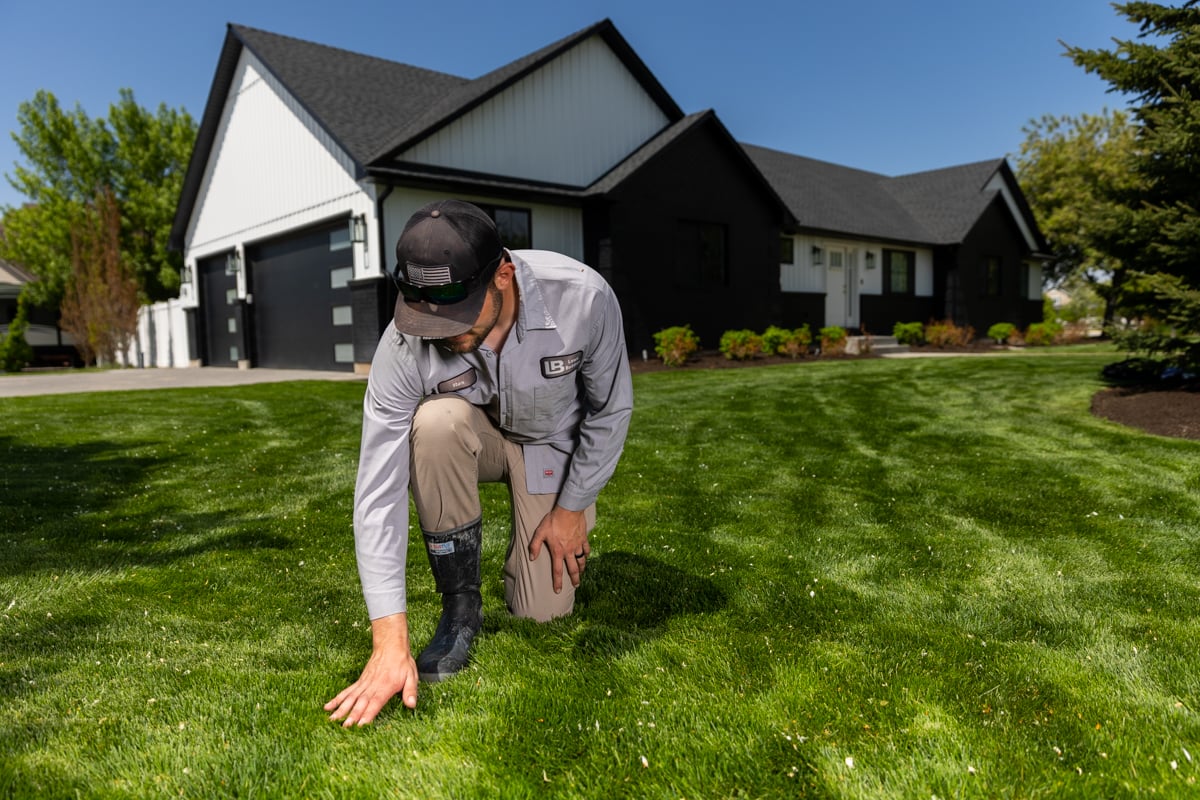
Because Idaho lawns are cool-season grasses like Kentucky bluegrass or fescue, they thrive in the cooler parts of the year and struggle in peak summer heat. That means your care strategy should follow that natural cycle.
Spring lawn care is about repair and prevention. Summer is about protection and survival. Fall is about growth and long-term improvement.
Frequently Asked Questions About Idaho Lawn Care Mistakes
Q: Why is my grass turning brown even though I water it every day?
You sort of just answered your own question. Your grass doesn’t need water every day.
Daily watering can drown your grass, leading to root rot and brown, soggy patches.

But too little water can make your grass turn brown, too. If you water every day but for just a short while, you’re only watering your lawn’s surface, encouraging shallow roots that can’t withstand drought or heat.
Watering in the evening instead of early in the day can cause brown grass, too. Watering late in the day can cause fungal diseases, as the grass stays wet overnight.
Q: How short should I cut my grass in Idaho Falls?
Not as short as you might think. Your grass should be 3-4 inches tall after mowing.
Cutting your grass too short stresses it, especially during a hot, dry summer, and makes it more susceptible to insect and disease damage.
Taller grass shades the soil, helping retain valuable moisture and blocking the sun that weed seeds need to sprout.
Q: Can you fix a lawn that has been over-fertilized?
If you’ve accidentally applied too much fertilizer, timing is everything when it comes to fixing the damage. Catching it early and flushing the soil with water can be the difference between a temporary setback and a total lawn replacement.
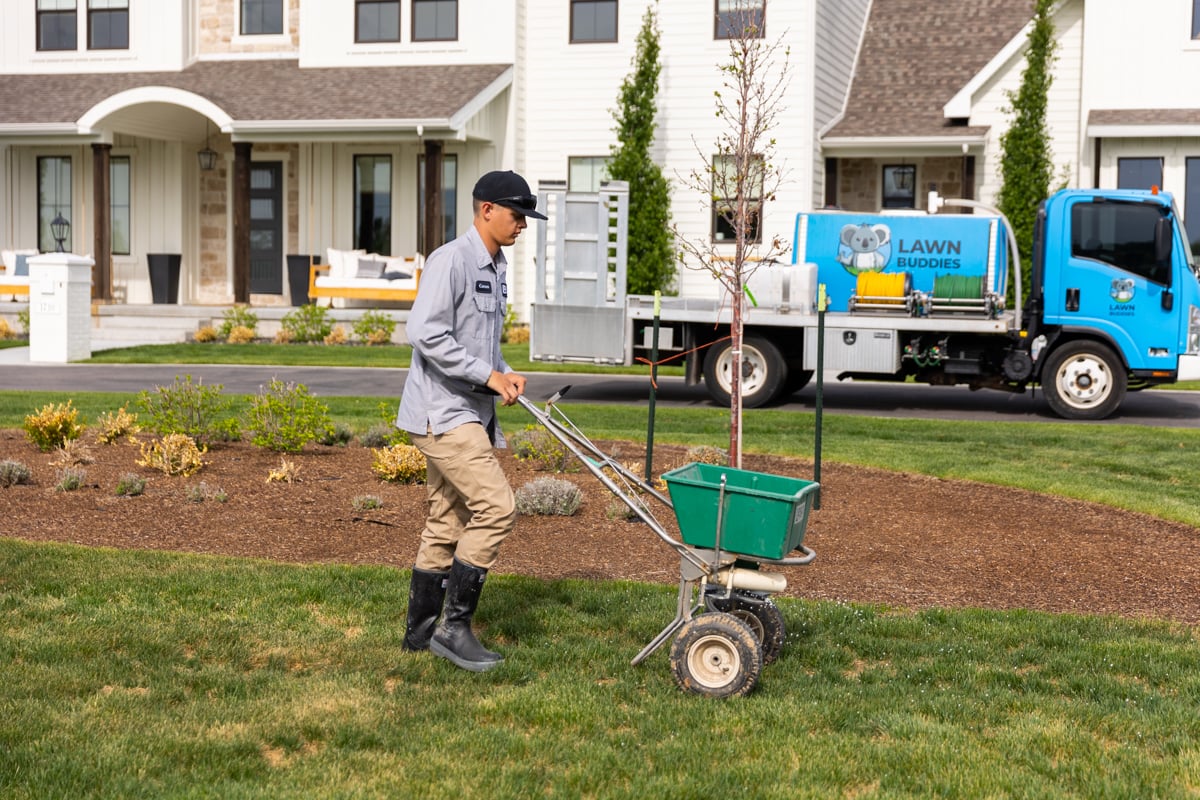
We’re talking lots and lots of water. That will help rinse the extra fertilizer out of your lawn and dilute the harmful excess nitrogen and salt.
The sooner you catch this, the better.
What about lawn fertilizer burn repair? Will over-fertilized grass grow back? Probably. Eventually, your damaged lawn should bounce back and green up again. If it doesn’t, you might need to re-seed.
Q: Is it better to bag grass clippings or leave them?
Here in Idaho, we actually need both methods. Mulching lawn clippings and leaving them works in the hottest summer months. But in other seasons, we don’t have the high temperatures and humidity needed to break down the grass clippings between mowings.
If you tend to mow less frequently and your clippings are long, it’s best to bag them to prevent thatch buildup. Large clumps of grass left sitting on your lawn can rot, killing the live grass underneath it.
Successful mulching requires that the grass is chopped into little pieces. So either mow often, cutting only a third of the grass blades, or bag your clippings.
One more factor: If you see signs of lawn disease, bag your clippings, don't mulch them. You don't want the disease to spread.
Q: How do I know if my mower blade is dull?
This is a great question, as a dull mower blade is bad news for your lawn.
Watch for these signs of a dull blade:
- Frayed and brown grass tips. Instead of a clean slice, dull mower blades tear the grass, leaving behind shredded, discolored tips that look brown, yellow, or white.
- An uneven cut. A dull blade makes the lawn look uneven, with uncut patches or streaks of taller grass.
- Torn or pulled grass. Instead of neatly cut clippings, you might see, or feel, that the mower is pulling or yanking grass out of the ground, sometimes leaving small clumps of soil.
- Mower difficulty. Your mower’s engine might sound like it’s straining more than usual, especially in tall or thick grass.
- Increased vibration. Your mower may feel less stable or produce increased vibration, which you can feel in the handle.
Q: What happens if I skip a fertilizer treatment?
How do you feel when you skip a meal? Kind of weak? Sluggish? Not your best?
Same with your lawn.
You’ll notice more weeds. A thin, weak lawn allows weeds to take over.
If you skip the spring fertilizing, you might notice your lawn is slower to green up. Skip fall fertilizer and your lawn misses out on the chance to strengthen its roots before winter.
Q: Why does my lawn look stressed after I mow it?
There are a few reasons:
- Dull mower blades. A dull blade shreds grass tips rather than cutting them cleanly, leaving your lawn looking brown or gray.
- Mowing too short. Removing more than one-third of the grass blade height at once can stress it and expose the brown lower stems.
- Mowing wet grass. Cutting your grass when it’s wet can lead to an uneven cut, tearing the grass, and causing clumping that suffocates the grass underneath.
- Drought or heat stress. If your grass is already struggling with lack of water, mowing it can speed up moisture loss, causing it to turn brown.
- Thatch buildup. Thick thatch can make your lawn look patchy or spongy, especially after mowing.
Avoid Idaho Lawn Care Mistakes with Lawn Buddies
There’s a lot to keep track of out there to avoid accidentally killing your grass.
You have the best intentions for your Idaho lawn, but mistakes happen. Idaho lawn care involves a lot, right?
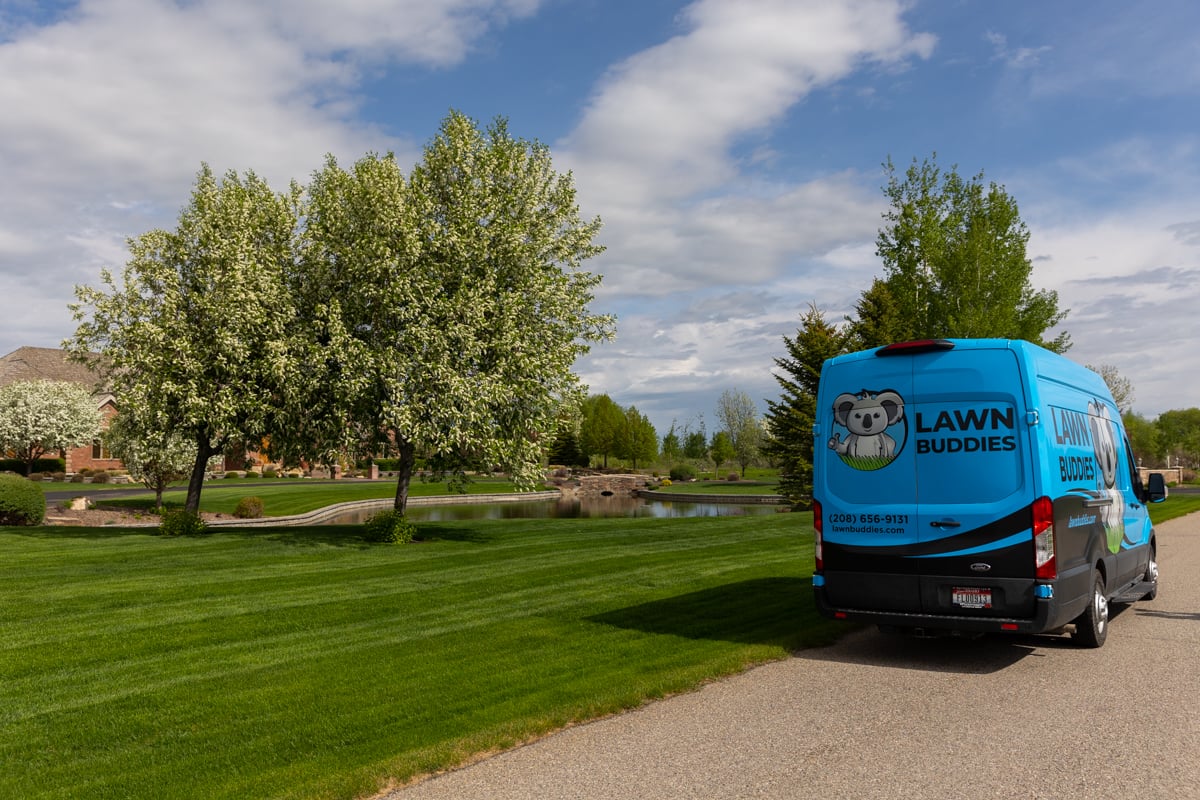
Why not leave it to us?
Choose a lawn care service in Idaho Falls, Pocatello, or Rexburg that bundles your yard’s most-needed treatments into one convenient, no-fuss, six-visit plan that includes everything your lawn needs to grow healthy and green, including weed control and grub control that’s perfectly timed throughout the year.
Got a few minutes? That’s all you need to get started. Just fill out the form on this page, call us at (208) 656-9131 or read more about our services. Then you can kick back and relax in your healthy, thriving yard.

