
When your lawn looks bad, there are plenty of things you could blame, from hungry insects to lack of rain to your new puppy.
Hardly anybody blames the soil. But compacted soil could be the reason your grass is struggling, and it’s totally getting away with it.
Until now.
Jump to Section
How do you know if your lawn soil is compacted? Puddles in your lawn. Patchy bare spots. Weeds. Basically, all the lawn problems you hate.
Let’s learn more about how to fix compacted soil.
First, What Causes Soil Compaction in a Lawn?
Compacted soil is dirt that’s been compressed, with the beneficial pockets of air squeezed out of it.
This creates a dense, solid layer under your lawn that prevents water and air from getting to your lawn’s roots.
Here in Idaho, there are a few main causes of lawn soil compaction:
Heavy clay soil. Many areas of Idaho have naturally dense clay soil that easily gets compacted.
Construction equipment. Heavy machinery used during home building often packs the ground firm long before the grass is planted.
Mower weight. When you drive a riding lawn mower over the same paths over and over, the heavy pressure compacts the soil.
Foot and paw traffic. When kids and pets regularly walk or play in the same areas of the yard, their activity compresses the soil beneath.
Overwatering. Over-saturating your lawn with too much water encourages soil particles to settle and pack closer together.
How Do You Know If Your Lawn Soil is Compacted?
Look for a few compacted lawn symptoms:
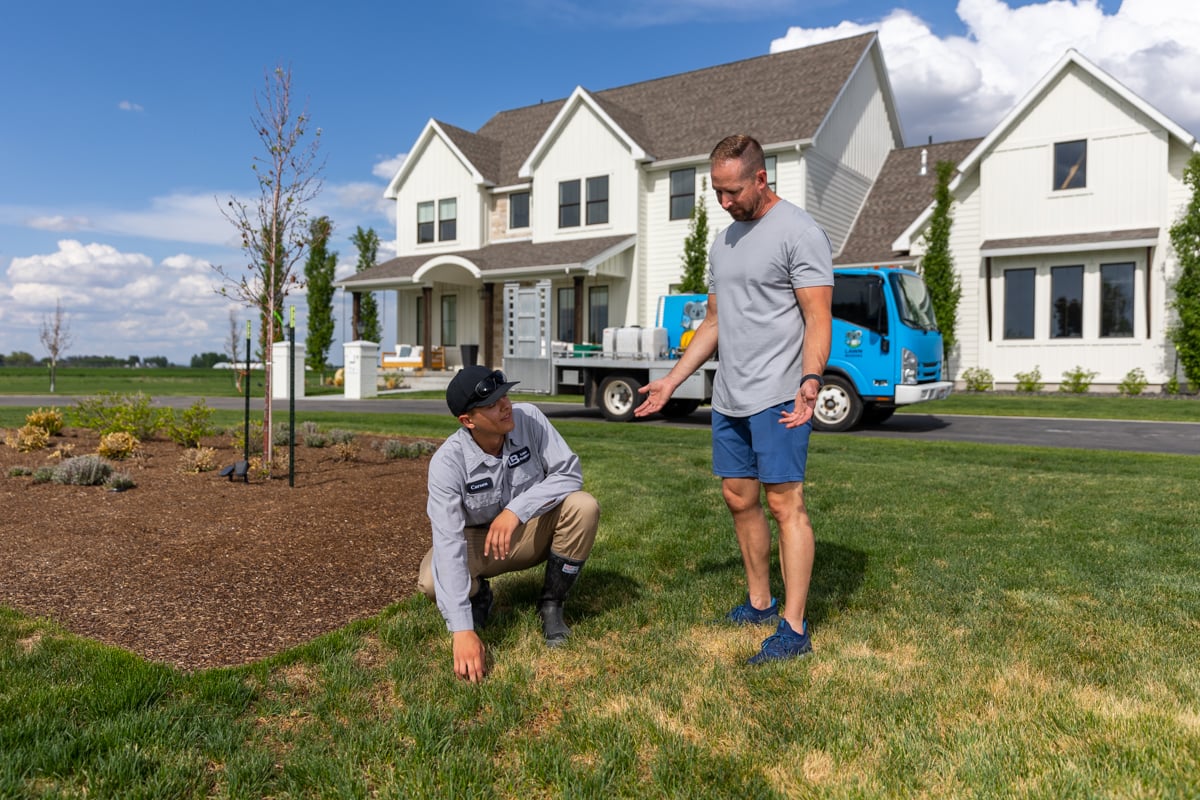
Puddles in your lawn. When your soil is compacted, water pools on the surface instead of soaking in.
Bare spots. When grass is weak from compacted soil, it gets thin and patchy, or it could die in heavy-traffic areas.
Weeds. Lawns with compacted soil are too weak to crowd out aggressive weeds. As your grass struggles to compete, weeds take over.

Hard ground. You’ll notice the soil beneath your lawn feels extra hard when you walk on it or try to dig a shovel or gardening tool into it.
Shallow grass roots. If you pull up a handful of grass, you’ll notice it has short, shallow roots instead of long healthy roots.
Why is Compacted Soil Bad for Grass?
Once you hear how compacted lawn soil prevents air, water and fertilizer from reaching your lawn’s roots, it’s not a big leap to figure out it’s a bad scene.
How does compacted soil cause problems with your Idaho Falls lawn care?
-
That dense, hard dirt prevents your lawn’s roots from growing deeply into the soil. They just can’t get there. So the roots remain shallow, which keeps them weak and causes them to dry out quickly.
-
Compacted soil blocks oxygen. Just like you, your lawn’s roots need to breathe. Without air pockets in the soil, roots suffocate and stop growing.
-
Hard soil blocks water. That barrier of compacted soil repels water, leaving it sitting on top of your lawn instead of soaking in.
-
Standing water on your lawn encourages fungus and drowns grass roots.
-
Compacted soil wastes fertilizer. Those nutrients you feed your lawn can’t reach the roots if the soil is tightly packed. That valuable fertilizer either washes away, where it can harm the environment, or stays on the surface of the ground, where it doesn't do any good.
How Do You Fix Compacted Soil in a Lawn?
Compacted soil is usually manageable when it’s identified correctly, but guessing at the problem just wastes your time and money.
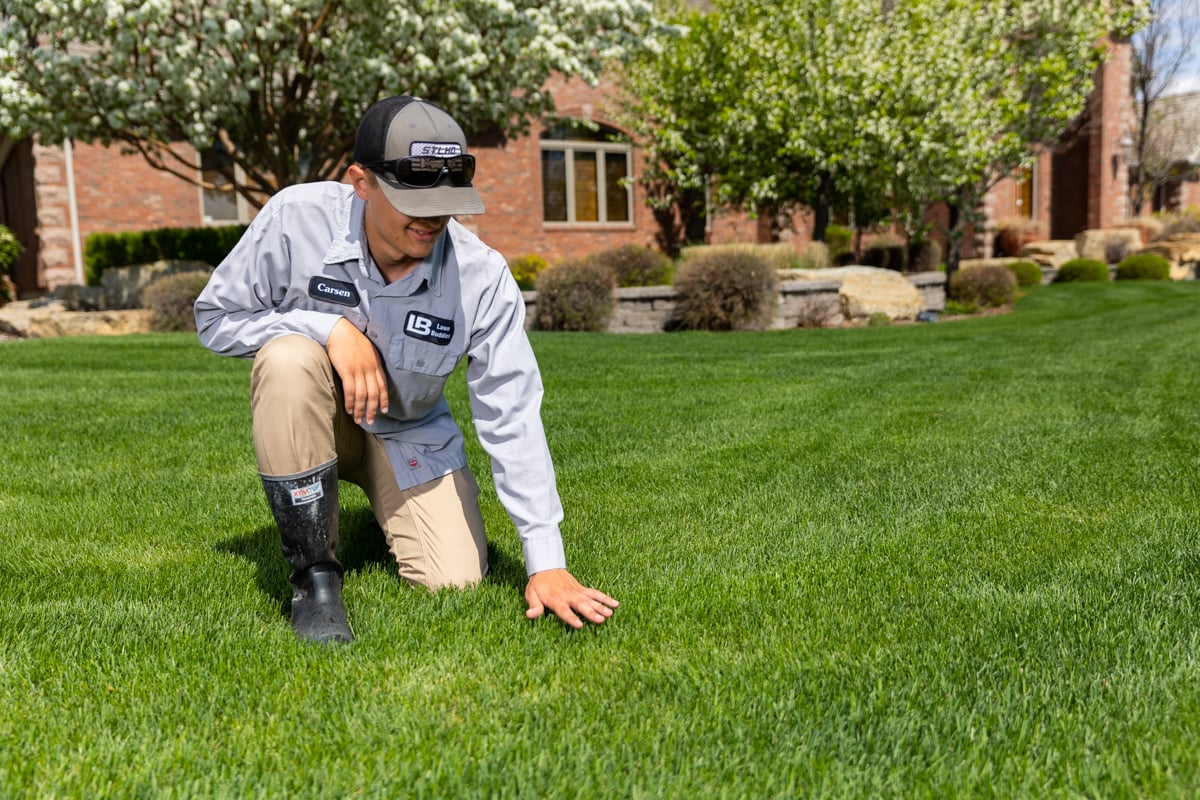
Maybe you try weed killer to blast those weeds, but you really need to fix the compacted soil so your grass can thrive and crowd out weeds.

Or you might assume your lawn has a fungus or an insect problem, when it’s really your compacted soil that needs fixing.
Once an Idaho Falls lawn care pro diagnoses your compacted soil, they’ll recommend a sure-fire fix: aeration.
Lawn Aeration in Idaho Falls
Aeration is a process that loosens up compacted soil, allowing that beneficial air and water to reach the lawn’s roots. Once the soil is loose and fluffy, your lawn’s roots can reach down deep into the soil and grow healthy and strong.
Core aeration uses a machine to pull out tiny soil cores from your lawn, allowing water and oxygen to reach the roots.
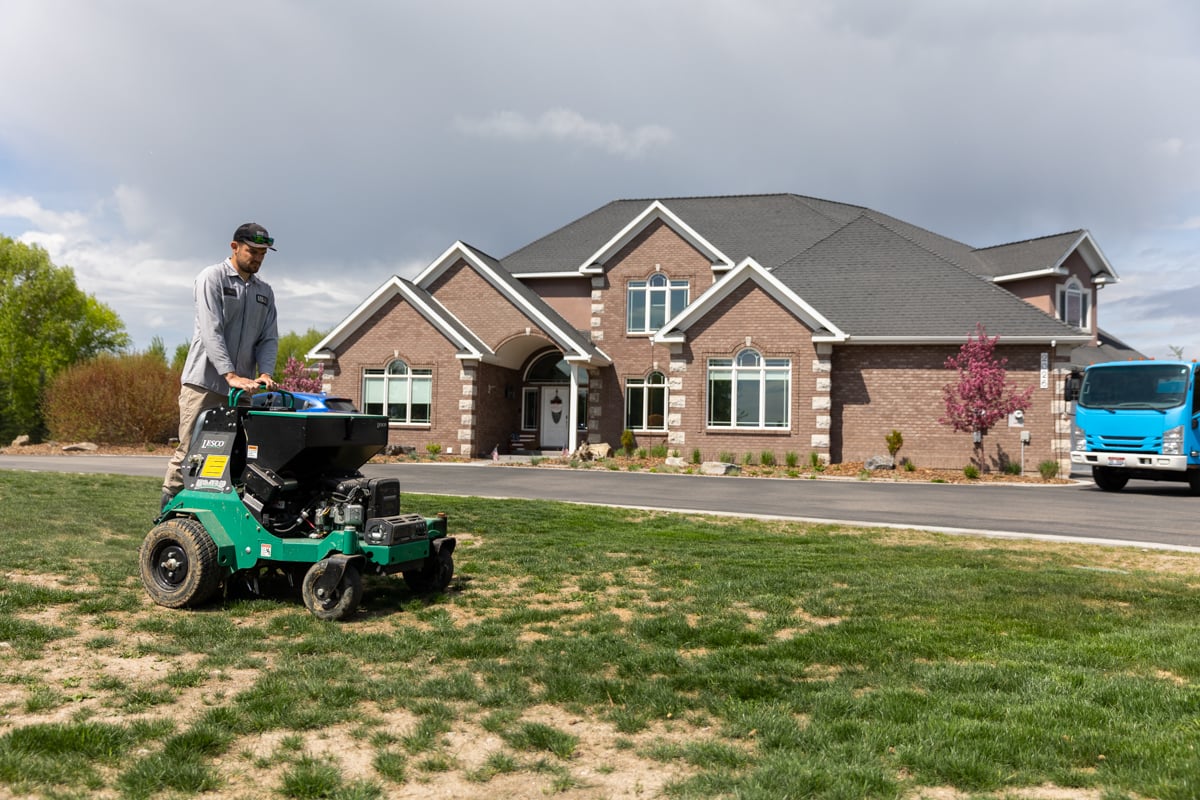
All the little holes let in water and nutrients that couldn’t make it through that tough, compacted soil before. Now your lawn can breathe.
If you want to give aeration a go without bulky equipment, Lawn Buddies also performs Liquid Aeration treatments.
While core aeration uses a machine to pull out soil plugs, liquid aeration applies an organic chemical mixture to your lawn via a sprayer.
Like core aeration, this liquid method improves soil health by increasing the amount of air and water that can pass through the soil. The liquid solution gradually loosens compacted soil.
What’s in the solution? One of the main ingredients is humic acid, a naturally occurring organic compound formed from decomposed plant matter.
Liquid aeration also contains surfactants, ingredients added to a liquid to reduce surface tension. This allows the liquid to spread out and wet surfaces more easily and helps the aeration liquid soak into the ground.
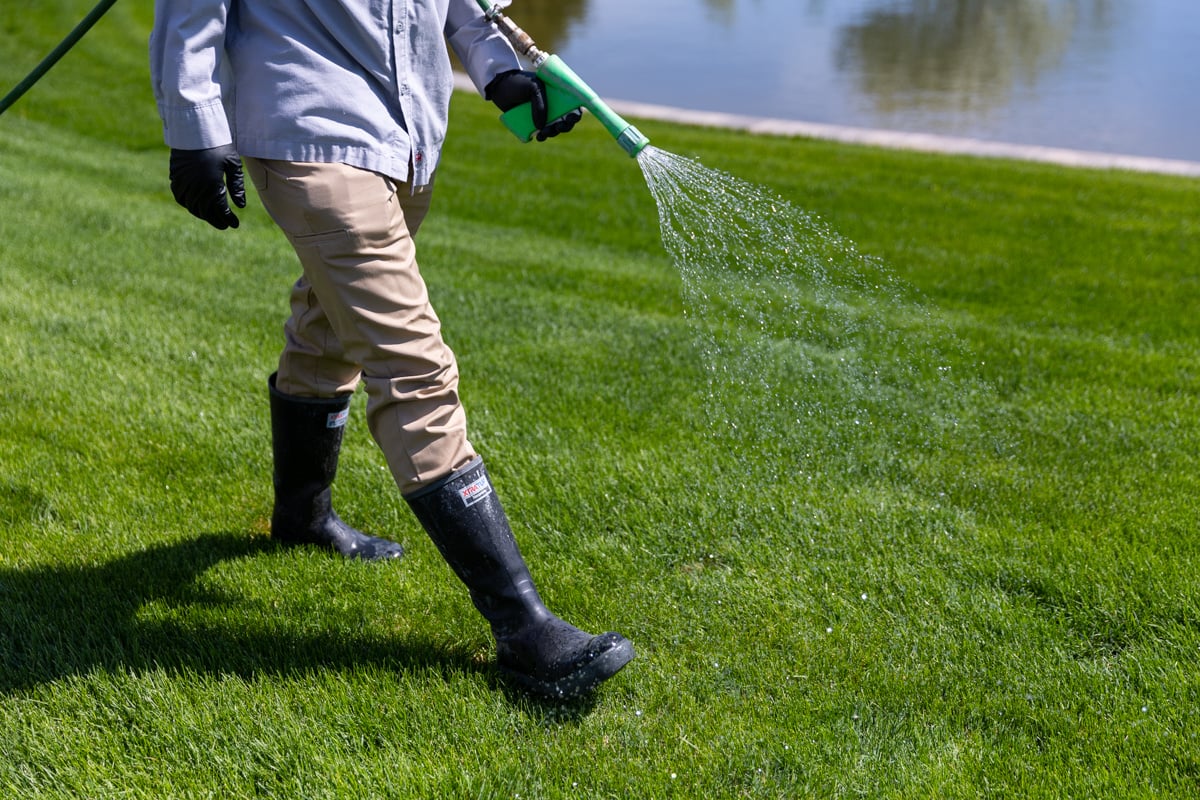
Additional nutrients are often included in the mix, such as seaweed or yucca extract.
All that good stuff penetrates the soil and breaks down compacted areas, creating pathways for water, oxygen, and nutrients to reach the roots more effectively.
Liquid aeration is often better for moderate soil compaction, while core aeration is preferred for heavily compacted soil or significant thatch buildup. Your Idaho Falls lawn care pro can recommend the best method for your lawn.
Can Watering or Mowing Habits Make Soil Compaction Worse?
Yes, you might be contributing to your lawn’s compacted soil without even realizing it.
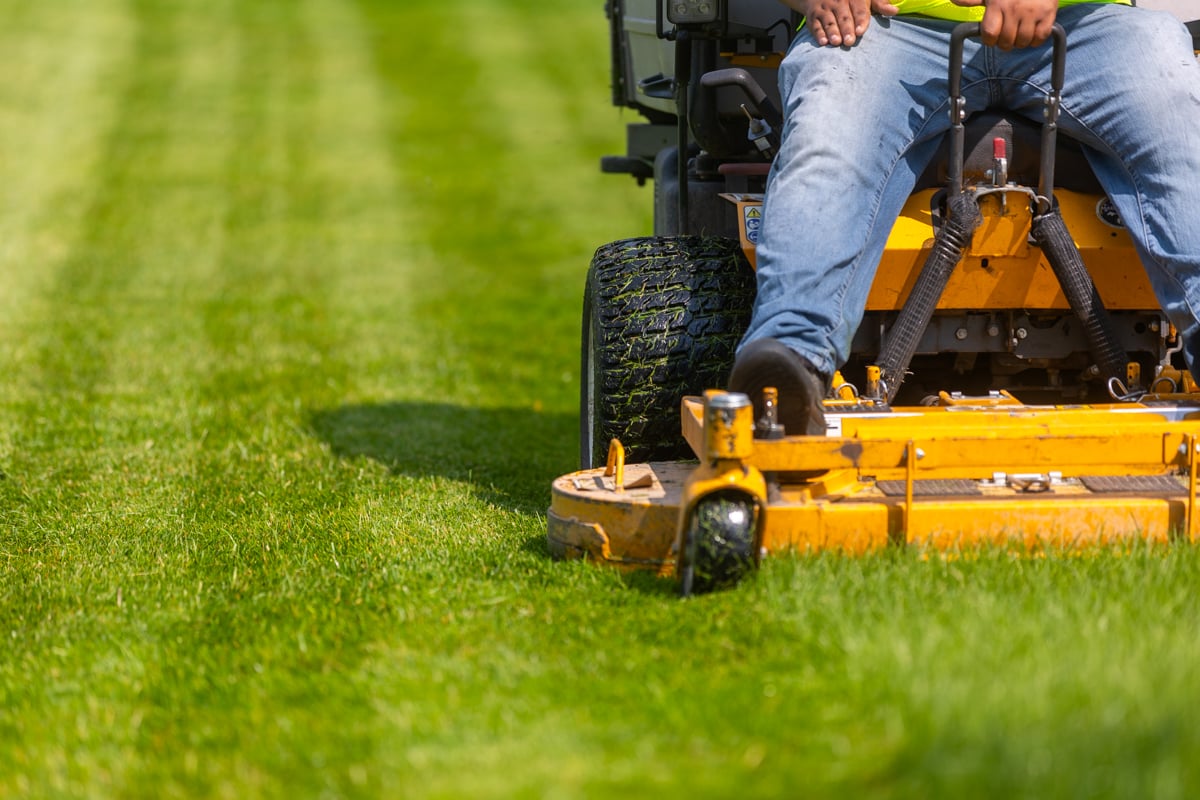
Here’s how mowing can cause lawn soil compaction:
Mowing when grass is wet. The heavy mower presses down on soft, waterlogged soil, destroying its structure.
Mowing the same route every time. Following the exact same path every time you mow presses the tires into deep, hardened grooves.
Mowing grass too short. Short grass weakens roots and reduces the soil's ability to resist compression.
Watering habits can also cause compacted soil.
Overwatering and flooding the soil fill air pockets with water. This makes the soil mushy and easily compressed by weight.
Watering often in small amounts at a time causes grass to develop shallow roots, making the soil vulnerable to compaction. Deep roots work to loosen the soil.
So follow these mowing and watering tips:
-
Always allow your lawn to dry out before mowing or doing heavy yard work.
-
Change your mowing pattern every time you cut the grass. This spreads the weight around and prevents deep tire tracks.
-
Water your lawn less frequently but for longer. This encourages deep, strong roots that naturally break up the soil.
Frequently Asked Questions About Compacted Soil in Lawns
Q: Can compacted soil cause thin grass or bare patches?
A: Yes, compacted soil is actually one of the most common causes of thin grass and bare patches.
When soil is packed too tightly, the tiny air pockets your lawn needs get crushed. This makes it difficult for roots to grow deeply and for water and nutrients to reach the soil.
Shallow roots make your grass weak. Water runs off the lawn’s surface or pools up instead of soaking into the root zone where it’s needed. And your grass can’t absorb that fertilizer you’re giving it.
All this causes weak, thin grass with bare spots.
Q: Does aeration help compacted soil?
A: Yes! Both core and liquid aeration work well to loosen compacted soil, allowing beneficial air and water to reach your lawn’s struggling roots.
While core aeration uses a machine to pull out tiny soil cores from your lawn, liquid aeration applies a liquid solution with a sprayer to loosen compacted soil.
Q: Why is loose soil so important?
A: Healthy, loose soil structures allow your grass roots to grow deep and strong. Deep roots anchor the grass and access moisture deep underground, helping your grass thrive and resist drought.
Finally Fix Compacted Soil with Lawn Buddies
How to improve lawn soil health? One way is to make sure your soil isn’t compacted, so your lawn can breathe.
Lawn Buddies technicians are skilled at identifying why your lawn is struggling and will recommend aeration if they determine compacted soil is the problem.
Healthy soil is just one part of growing a green and thriving lawn in Idaho. Good lawn nutrition involves several important factors, including fertilizer, insect control and the control of invasive and tenacious weeds. It can get kind of complicated keeping up with it all, right?
Let us make it easy.
Choose an Idaho Falls lawn care service that bundles your yard’s most-needed treatments into one convenient, no-fuss plan.
Got a few minutes? That’s all you need to get started. Just fill out the form on this page, call us at (208) 656-9131 or read more about our services. Then you can kick back and relax in your healthy, thriving yard.

