
In Eastern Idaho, a green summer lawn is hard to maintain—and even harder to keep.
While heat and drought are common, the real threat often comes from underground. Billbugs, grubs, and sod webworms can destroy your turf faster than any heatwave in Idaho Falls.
These pests thrive in the peak of an Idaho summer, turning healthy grass into brown, dead patches in just a few days. Because they feed on roots and stems, the damage is often hidden until it's too late to save the lawn. Identifying these insects early is the only way to prevent a total landscape replacement.
Here are the 3 most common summer lawn pests in Idaho Falls, and how to stop them before they ruin your yard.
Billbugs
These are the biggest summer lawn pests in Idaho.
Some people call these grubs, but grubs are a completely different summer lawn insect. (More on those slimy pests in a minute.)
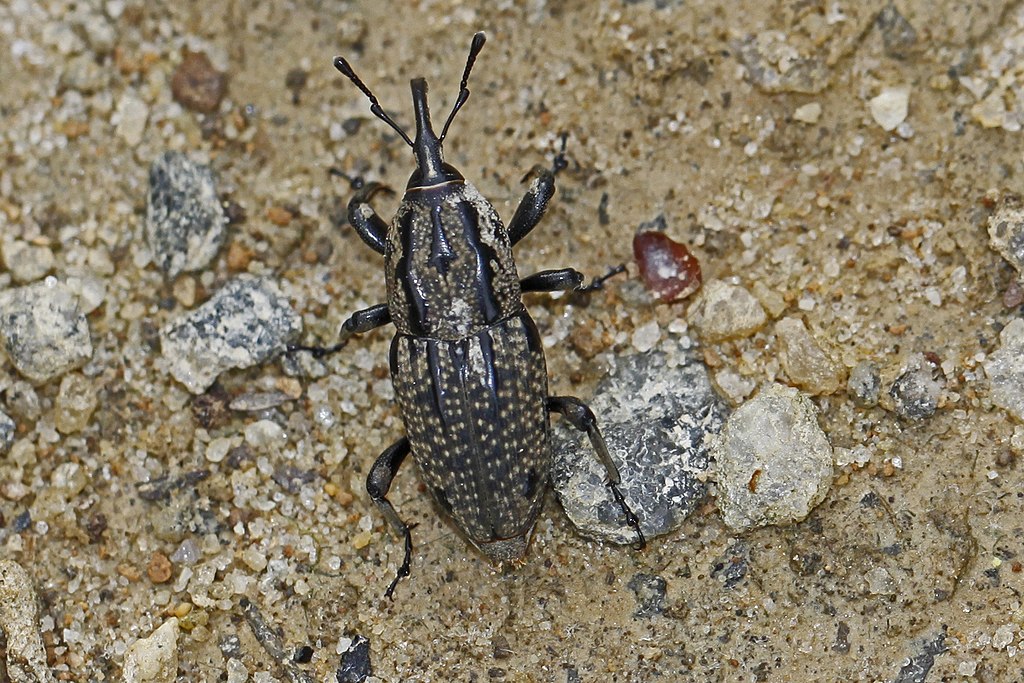
Billbugs are double trouble. Both the adult insect and its larvae cause lawn insect damage.
Adult billbugs chew holes into grass blades and deposit eggs inside. When larvae hatch, they eat grass from the inside out, consuming it from the roots to the tips.
Your lawn becomes a big billbug buffet.

How do you know if you have billbugs?
If you have dead grass, pull up on the blades of grass. If they break off easily, the stems are hollowed out, and you see a sawdust-like material, billbugs are likely the cause.
You may also see adult billbugs along walkways and driveways on sunny days. Billbug adults are gray, brown, or black with a hard shell and a curved snout. (Bugs with snouts! No, thank you.)
Grubs
Here in Idaho Falls, grubs are a mid- to late-summer lawn pest, and we typically see a big outbreak in August.
Grubs are the larvae of Japanese beetles, June beetles, chafers, and other beetles.
These white, C-shaped grubs have soft, squishy bodies with legs near their head. They feed on grass roots and organic matter in the soil, causing sections of grass in the lawn to die.
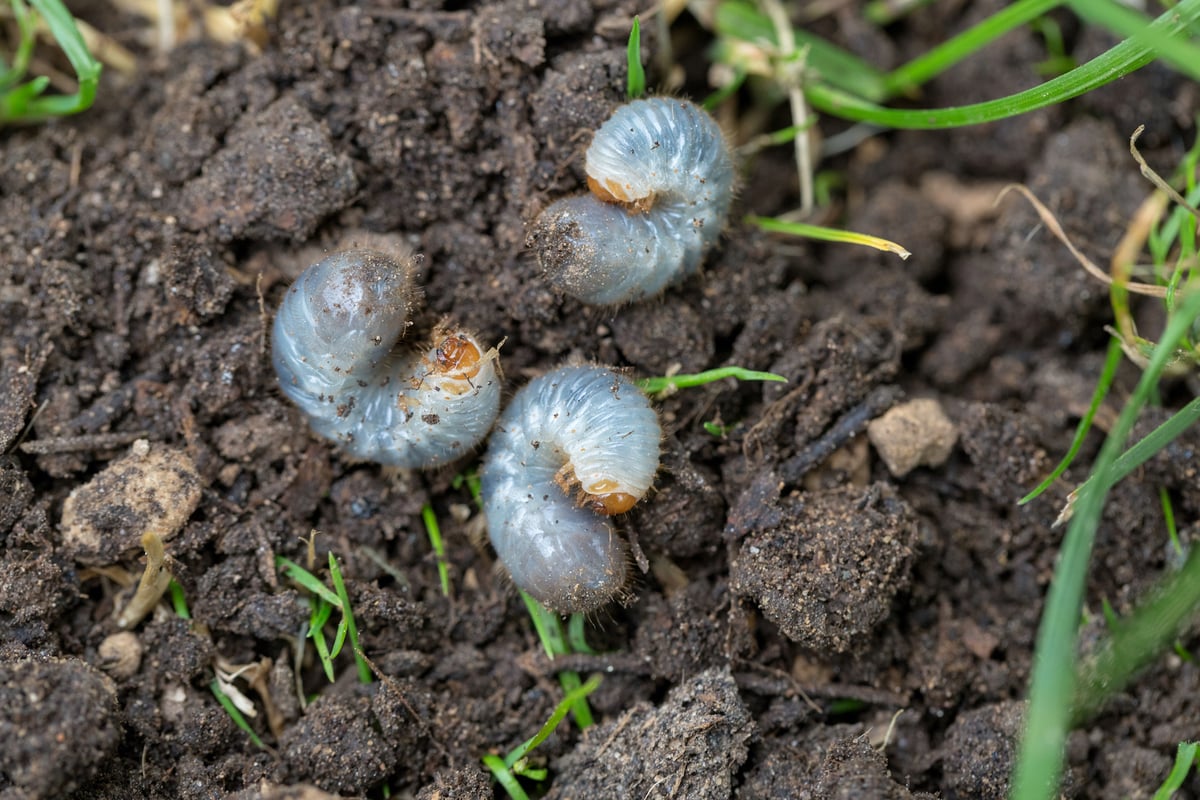
It can happen really fast. One day you’re looking out at your healthy lawn, two days later it’s wiped out — entire patches will be brown, dry, and wilted.
Got critters on your lawn? That might mean grubs. If you have moles, skunks, raccoons, or birds digging around your turf, that can be a sign of grubs.

Apparently, grubs are delicious.
Other signs of lawn grubs:
- Grab a handful of your lawn and tug. If it rolls up like loose carpet, you probably have grubs. They eat the roots holding the turf firmly in place on the soil.
- Walk on your lawn. If it feels spongy, you could have grubs.
How to Get Rid of Lawn Grubs
The trick is to kill these summer lawn pests before they hatch and start to chow down, so we’ll apply preventive lawn grub control in the spring to nip them in the bud.
Sod Webworm
Named for the web-lined tunnels where they hide during the day, sod webworms are light green to light brown, their bodies lined with rows of spots.
Adult moths are white or tan with snout-like projections coming out of their heads and wings that wrap around their bodies.
Females can lay up to 200 eggs in the early summer. When the larvae emerge from their eggs, they’re hungry. These summer lawn insects devour grass as they grow, feeding through late September.
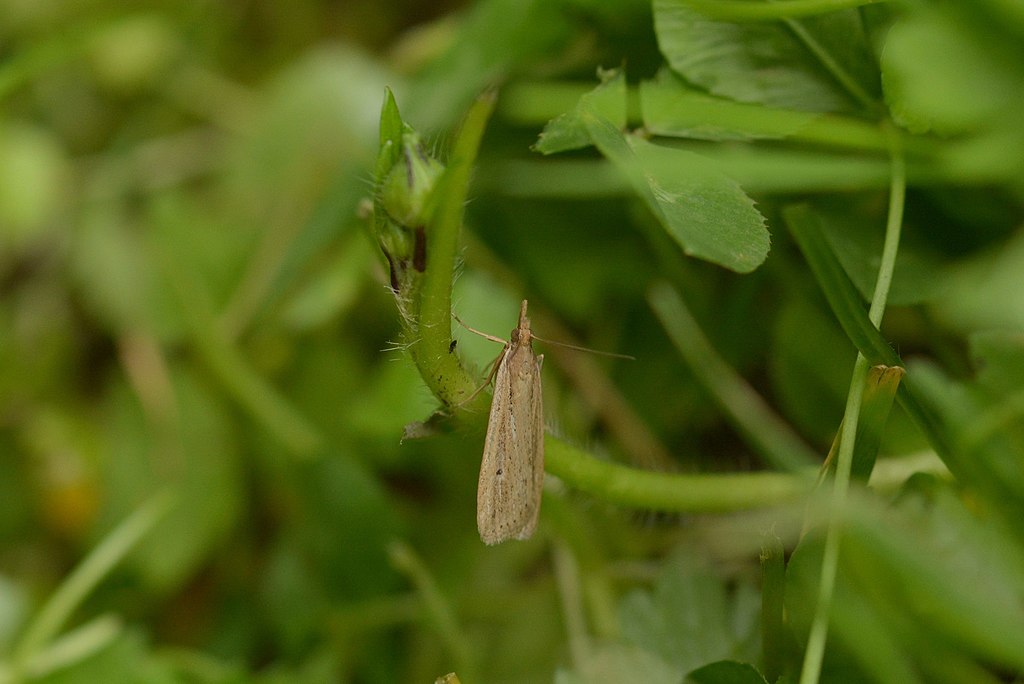
You’ll notice small brown spots begin to appear on grass, then the spots quickly grow and intersect, causing serious lawn insect damage.
You might think it’s stress from drought, but if you get right down in your grass and look closely, you can see the larvae’s distinctive web-lined tunnels.
Another sign? The adult moths fly low over your lawn in a zigzag pattern.
Controlling Summer Lawn Pests
There’s no single treatment for all summer lawn pests, as each has a different life cycle.
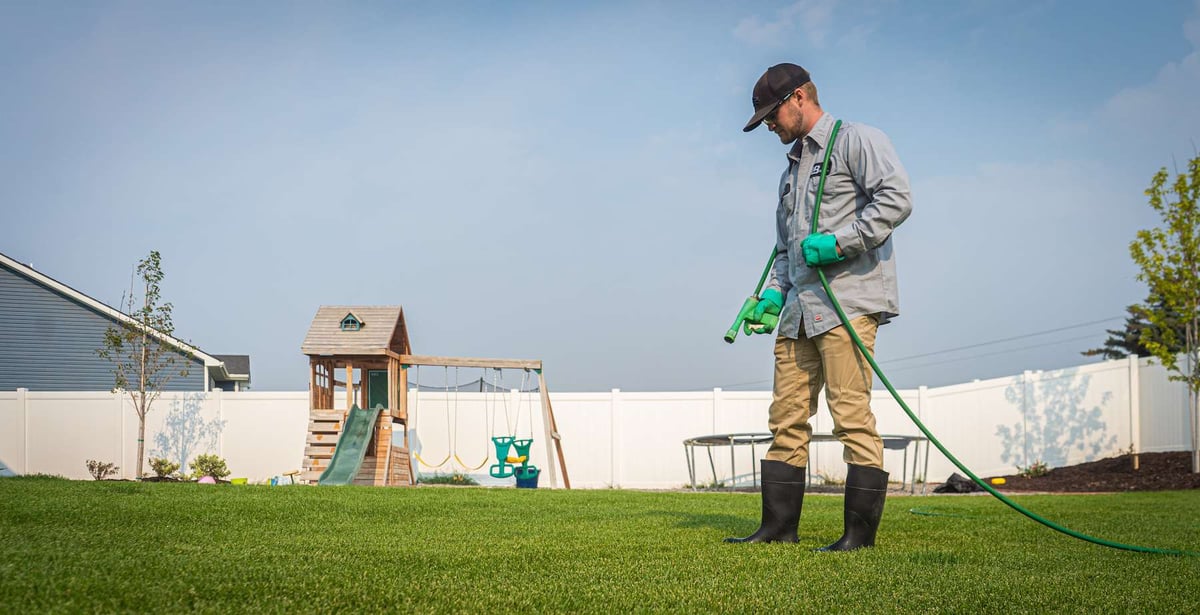
Grubs and billbugs are best controlled by systemic products — insecticides that are absorbed by the grass. When lawn insects eat the grass blades or roots, they die.
Others, like sod webworms, need a contact insecticide to be applied because they’re top feeders rather than feeding on your lawn’s roots.
Help Prevent Summer Lawn Pests with a Healthy Lawn
If all this talk of summer bugs is making you kind of itchy, there’s good news.
You can help prevent these pests by establishing healthy turf, including proper fertilizing, watering, and mowing. Don’t mow your lawn too short. And don’t water every day. Water less often, for longer periods.
Bugs hate a thick, healthy lawn. So your best line of defense is to keep your grass thick, lush, and healthy with an annual lawn care maintenance program that promotes strong roots.
Is Your Lawn Ready for a New Best Friend?
Chances are, grubs, billbugs, and sod webworms aren’t on the guest list for your backyard summer parties.
We’ve got your back — targeted grub-control treatment is included in our complete lawn care package, and additional summer lawn pest control is available to customers signed up for our 6-step complete lawn care program.

Help prevent insect damage to your lawn by keeping it healthy in the first place.
Make it easy on yourself. Choose an Idaho Falls, ID professional lawn care service that bundles your yard’s most-needed treatments into one convenient, no-fuss plan.
Got a few minutes? That’s all you need to get started. Just fill out the form on this page, call us at (208) 656-9131 or read more about our services. Then you can kick back and relax in your healthy, thriving yard.


Image Source: billbug, sod webworm
