
If your lawn could scream, it might. But you wouldn’t hear it under all that snow.
Winter can be wicked for your lawn. Sharp snowplow blades slice into it. Harsh ice melt products kill it.
How can you protect lawns from salt and snow removal damage?
Jump to Section
- Common Snow Removal Damage: What’s Happening Out There?
- Protecting Lawns from Snow Removal Damage: What Can You Do?
- Will Grass Recover from Rock Salt Damage?
- Snow Removal and Lawn Care: Let’s Talk Snow Mold
- Head into Winter with a Healthy Lawn
- Get Your Lawn Winter Healthy with Lawn Buddies
Place reflective snow stakes strategically to help snowplow drivers avoid your lawn. Be careful with the ice-melting products you use and how you apply them. Give your lawn a fighting chance by feeding it, aerating it, and removing suffocating debris before the snow flies.
Let’s learn more about snow removal and lawn care.
Common Snow Removal Damage: What’s Happening Out There?
While you’re inside, cozy on the couch with your popcorn and warm socks, your snow removal service can really do a number on your winter lawn.
Here’s a look at what might be happening out there:
Torn Up Turf
Plows and shovels can dig into and tear up turf, especially at the edges of your driveway and walkways.
Compacted Soil
When heavy plow equipment travels over your grass, its weight can crush the soil, restricting air and water flow to the roots.
Salt Burn
Ice-melt products can damage your grass, turning it yellow or brown and killing it.
Soil Damage from Salt
Excess soil salt can disrupt soil structure, making it difficult for roots to absorb water and nutrients.
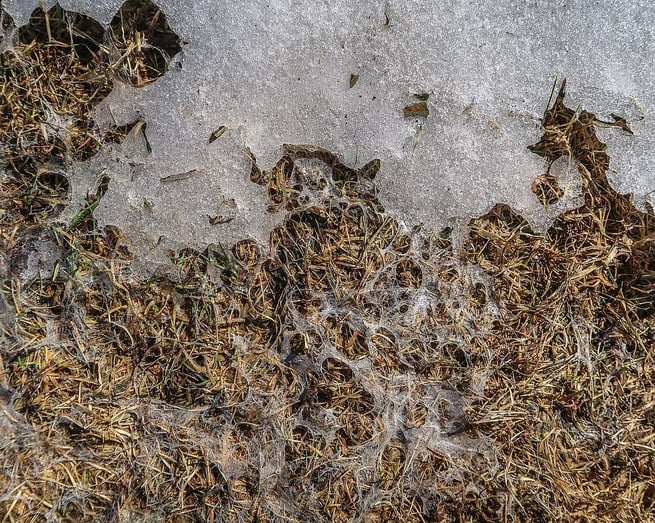
Snow Mold
This fungal disease thrives under insulating layers of snow, especially when combined with moisture and a lack of airflow.
Smothered Grass
That heavy, wet snow that piled up on your lawn all winter can smother the grass beneath, restricting air and water absorption.
Whoa. And you thought your lawn was safely tucked in for the winter under a cozy blanket of snow. (More on the dangers of that snow blanket in a minute.)
Protecting Lawns from Snow Removal Damage: What Can You Do?
Be proactive. There are a few precautions you can take:
Stake Your Driveway to Prevent Professional Snow Removal Damage
Handy reflective snow stakes will help your snowplow driver stay on track. Place them strategically to mark where your pavement ends and lawn begins.
That helps plow drivers avoid your lawn and your sprinkler heads, causing unsightly damage you’ll have to repair in the spring.
Keep That Ice Melt Off the Grass
How can you protect lawns and landscapes from salt and snow removal damage? Let’s talk about that handy stuff that keeps you from slipping in your driveway and ending up on crutches.
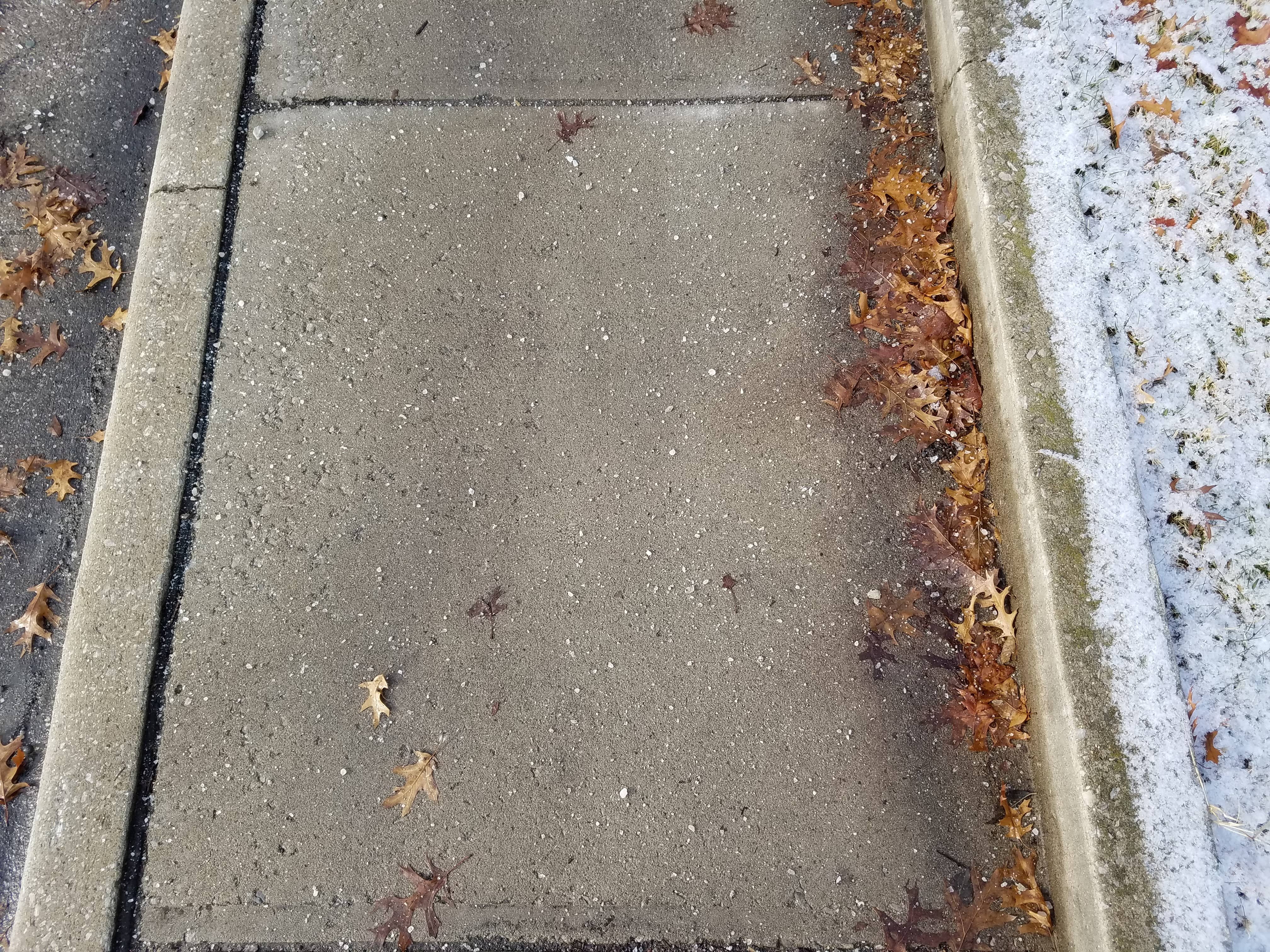
Ice melt products are meant for pavement, not grass. But if you’re sloppy with the application or toss out more than you really need, it can easily make its way into your lawn and landscape, causing damage.
Unlike sprinkles on Christmas cookies, more isn’t better.
Always follow the recommended application rate for your specific ice melt product to help prevent it from getting into your lawn.
Also, don’t put ice melt on snow if there’s enough snow to shovel. Here’s what happens: you shovel that snow, toss it on the grass, and then that ice melt will end up damaging your lawn.
The innovative ice-melt application applies to anyone you hire for snow removal, too. Ask them about the products they use and the amounts.
If a professional snow removal service still uses straight rock salt as a de-icer, yikes. You don’t want that.

Rock salt is bad for your lawn, leaving ugly brown patches of dead salt-damaged grass, but the damage goes way beyond your yard.
The damaging salt seeps into area waterways, creating a harsh and hostile environment for all sorts of wildlife.
Choose a professional snow removal company that uses safer options, such as liquid magnesium chloride, treated rock salt, and brine. They’re all better for the environment.
Will Grass Recover from Rock Salt Damage?
It might, especially if you flush the soil in the spring to wash out the salt. Give the affected areas a thorough watering to help leach the salt out of the soil.
For severe damage, you may need to reseed or re-sod the area after raking out the dead grass. If the grass is completely dead, rake out the dead stuff, loosen the soil, and spread new grass seed. Keep the soil moist so the new seeds can germinate and grow.
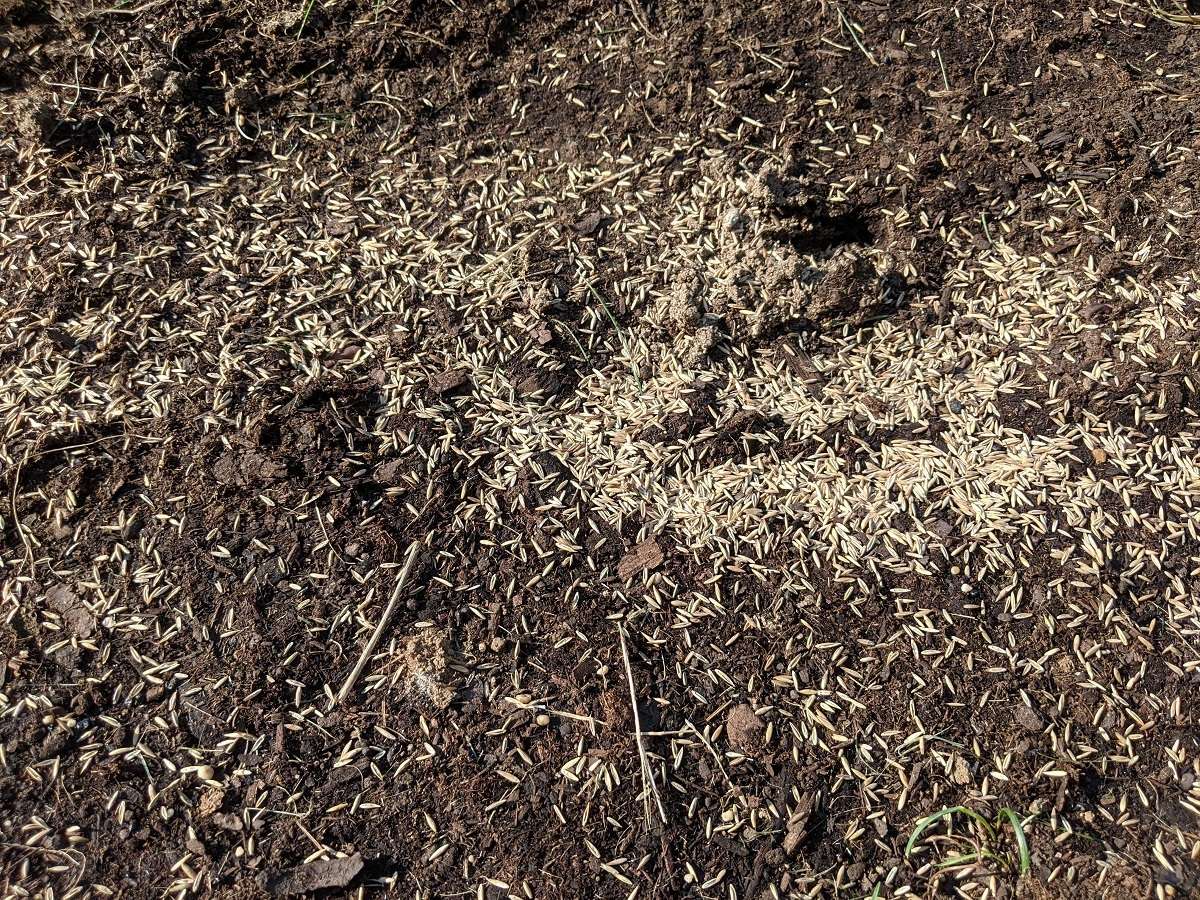
Healthy lawns are better able to withstand common snow-removal damage, so keep up with proper fertilizing, watering, and aeration.
Snow Removal and Lawn Care: Let’s Talk Snow Mold
Snow mold sounds gross, and you’re probably thinking you really don’t need one more thing to worry about right now.
But when it comes to winter lawn damage, it’s worth a mention.
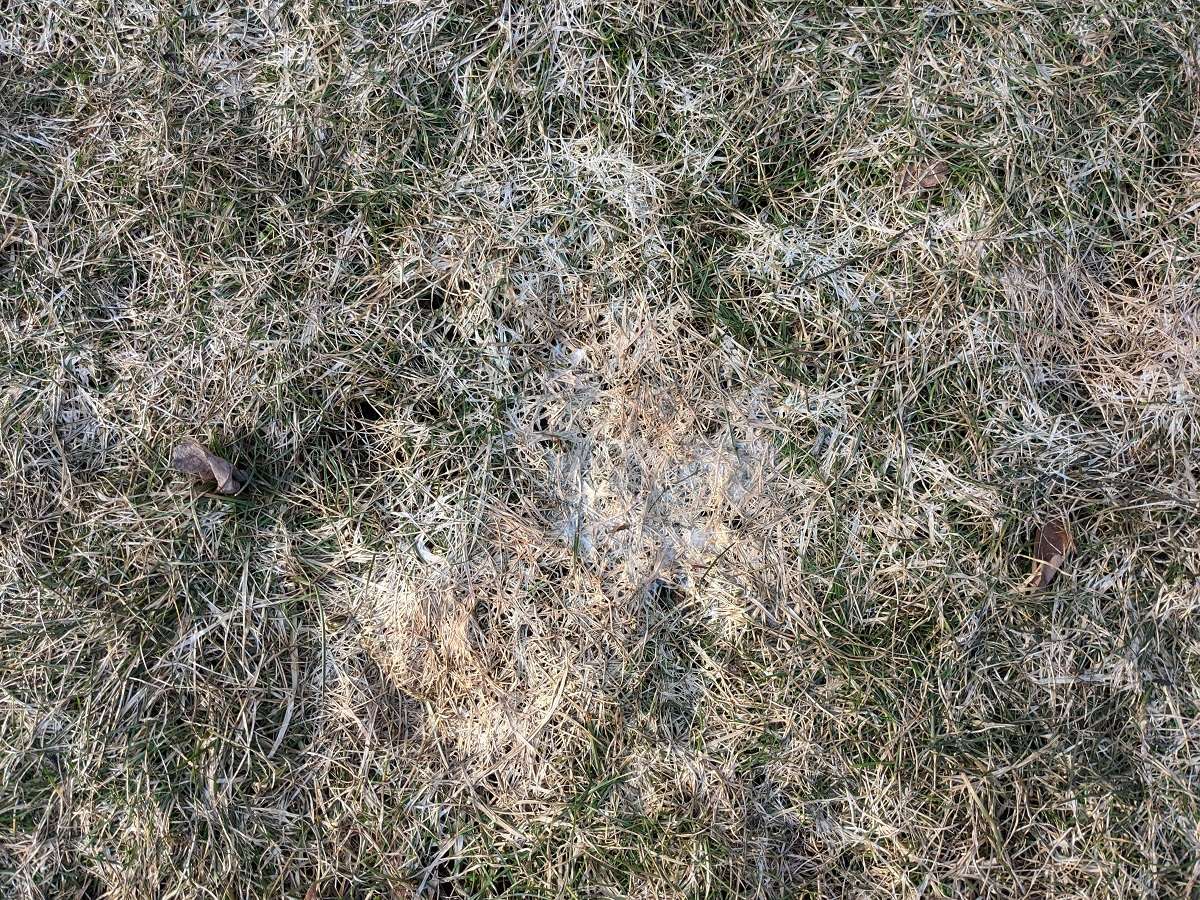
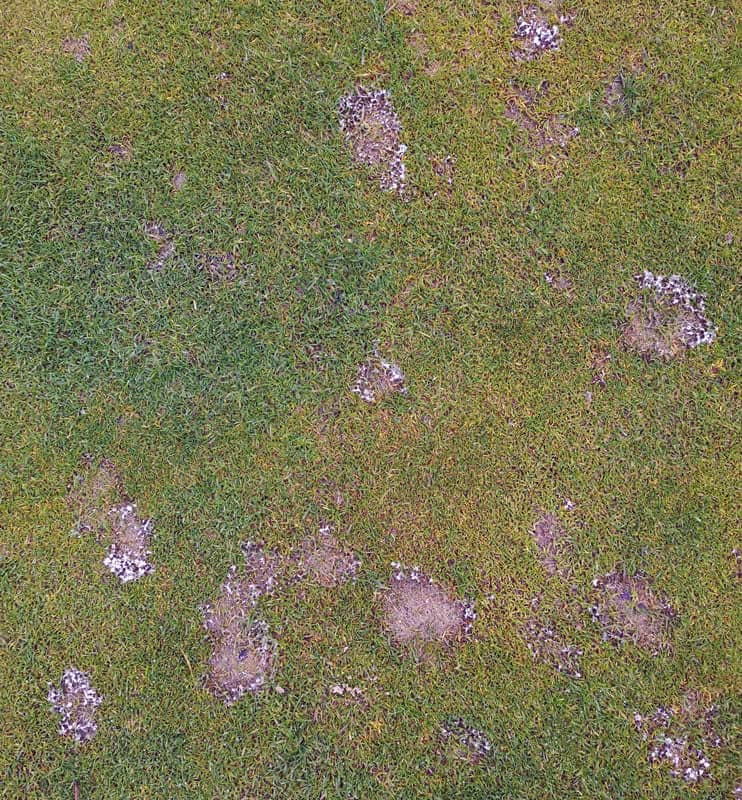
Snow mold is a lawn fungus that appears as matted, gray or pink patches on your lawn after the snow melts.
It thrives in damp, cool conditions under snow or ice cover. The longer your lawn is covered with snow, the greater the chance of snow mold developing. Snow that hangs around and takes forever to melt keeps your grass soggy and cold. Common lawn diseases love those conditions.
One step you can take is to keep big piles of snow from lingering on your lawn like an unwelcome relative camped out on your couch.
Grab your handy shovel and break up those big piles of snow. Spread the snow around in a more even layer. That will help it melt faster. (Getting that cousin off the couch and out of your hair is a whole other problem.)
Stay Off the Grass
This isn’t just a sign posted by your cranky neighbor. It’s good winter lawn care advice.
Your lawn had a hectic summer. Kids kicking around soccer balls. Your dog is chasing squirrels. Your neighbor is taking a tour of your new garden in high heels.
Winter is a great time to let it rest a bit.
Try to avoid foot traffic on your winter lawn. And don’t store heavy items on it over the winter. The extra weight will compact the soil, making it more difficult for the roots to stretch out in the spring as the ground thaws.
Head into Winter with a Healthy Lawn
Yes, winter dishes out some common snow removal damage, from sharp snowplow blades to evil overdoses of ice melt.
But your lawn has a better chance of standing up to these arctic attacks if it heads into winter as healthy as possible.
How can you help? Take a look:
Fall Fertilizer for a Well-Fed Lawn
It’s easy to forget about fall fertilizing. We’re trained to focus on feeding during the active growing seasons of spring and summer.
But this final nutrition boost before winter strengthens your lawn so it can better withstand the harsh realities of common snow-removal damage.
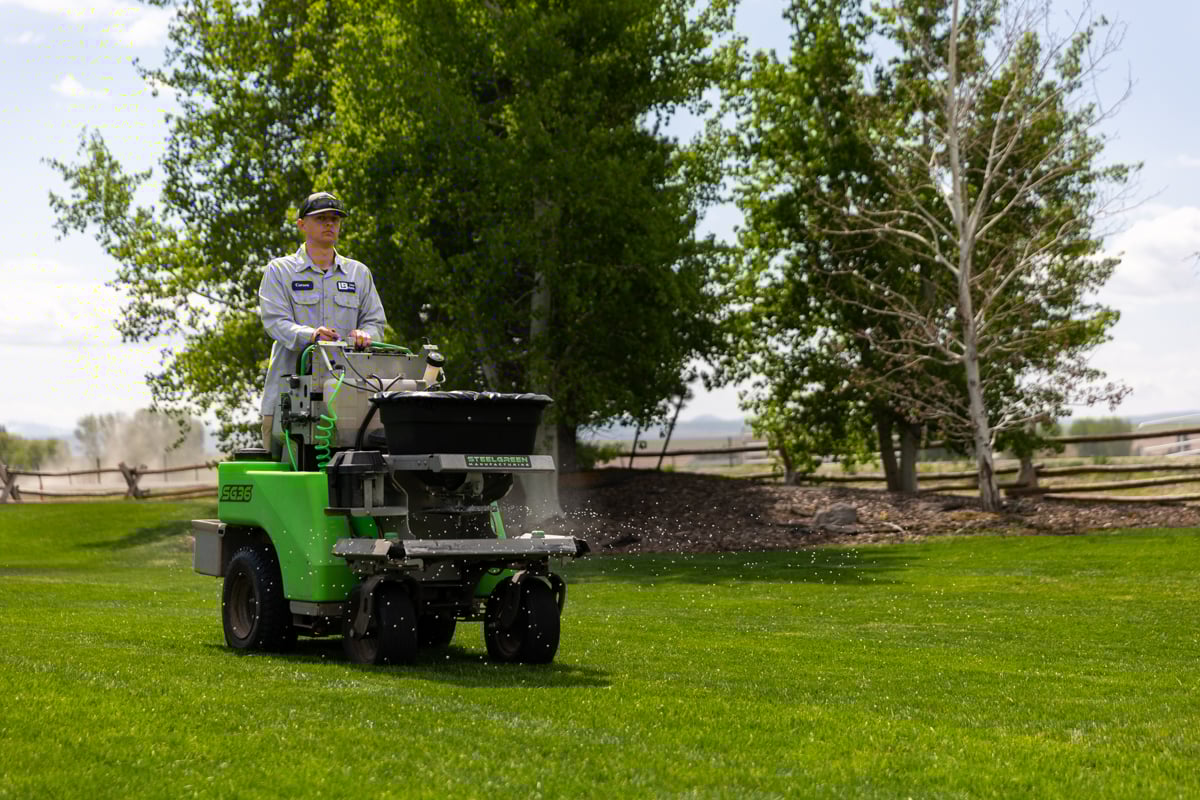
Here at Lawn Buddies, our final fall fertilizer of the year includes more potassium than the other seasonal applications. That extra boost feeds your lawn’s roots. And that’s where your lawn’s strength and resilience come from, down below the soil.
Protecting Lawns from Snow Removal Damage: Fall Aeration
What does poking holes in your lawn have to do with protecting your lawn in the winter?
It makes your lawn stronger and healthier, with more lawn-superhero qualities to withstand damage.
Aerating is really great for your lawn. It uses a machine to pull tiny soil cores from your lawn, loosening dense, compacted soil and allowing air, water, and nutrients to penetrate and reach the roots more effectively.
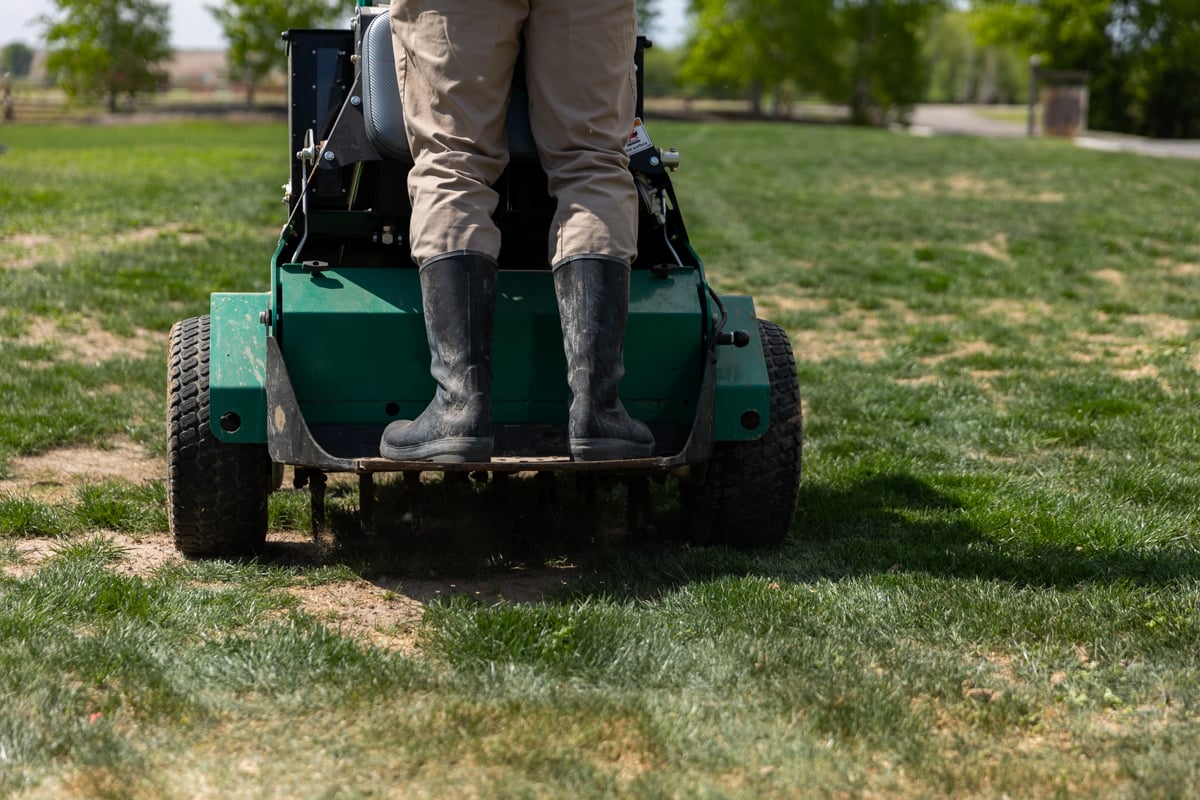
Strong roots mean a stronger lawn.
Also worth noting: Aerating breaks up thatch, that spongey layer of dead grass and stems between your grass blades and the soil.
Thatch encourages snow mold, so there’s an extra reason to put aeration on your fall lawn chores list.
Clean Up the Gunk to Protect Lawns from Snow Removal Damage
Your lawn will be healthier and better able to withstand common snow-removal damage if it’s cleared of suffocating debris before the snow flies.
Mulch those leaves into tiny bits and clear any other yard debris.
Love rodents? We didn’t think so. Piles of damp, decaying leaves are prime real estate for small critters looking for cozy winter housing.

And this isn’t like some storybook family of cute mice playing house.
Mice and voles love to tunnel in debris-strewn lawns, causing ugly damage you’ll freak out about in the spring.
Also, your lawn needs air and sunlight to thrive. If you leave that soggy mess on your lawn, it will weaken your grass, increasing the likelihood of winter damage.
Get Your Lawn Winter Healthy with Lawn Buddies
A lot is going on out there while you’re sipping your hot cocoa by the fire, from snowplow blades slicing into the edges of your lawn to erratically tossed granules of chemical ice melt products.
Help your lawn survive common snow removal damage with some innovative pre-winter practices and healthy turf.
A well-fed, well-maintained lawn has a fighting chance.
Keep your grass thick, lush, and healthy with an annual lawn care service maintenance program for strong, healthy roots.
It all starts by signing up for our 6-step complete lawn care program. You’ll be glad you did.
Choose lawn care in Idaho Falls that makes it easy, bundling your yard’s most-needed treatments into one convenient, no-fuss plan.
Got a few minutes? That’s all you need to get started. You can fill out the form on this page, call us at (208) 656-9131 or read more about our services. Then, you can kick back and relax while the icy winter winds blow.

Image Sources | Salt on Sidewalk, Snow Mold, Pink Snow Mold,
