
Most Idaho lawn diseases take the winter off. Maybe they go to Florida, happily soaking up the humidity and leaving yellowish-brown circles on everybody’s lawns.
But when a lawn disease has “snow” in its actual name, and your Idaho Falls lawn is under a blanket of white, you might want to pay attention for a minute.
Jump to Section
- Meet Snow Mold Lawn Disease
- Can You Prevent Winter Lawn Disease?
- Get on Board with a Comprehensive Lawn Care Program
- Winter Lawn Damage: What Else Can Go Wrong?
- How to Help Your Grass Recover After Winter Lawn Damage
- Recover from Winter Lawn Damage with Lawn Buddies
What diseases can your lawn get in winter? Snow mold is the most common one here in Idaho. But cold-weather lawn disease isn’t the only thing that can harm your lawn over the winter.
Snowplow damage, ice-melt products, too much foot traffic, and hungry critters can make surviving winter a challenge for your grass.
Let’s learn more about winter lawn damage.
Meet Snow Mold Lawn Disease
OK, you’d rather not meet it, but it’s worth knowing about this winter lawn fungus, how to prevent it, and what to do if you see it once the snow starts to melt.
Snow mold is a lawn fungus that shows up as matted gray or pink patches on your lawn.
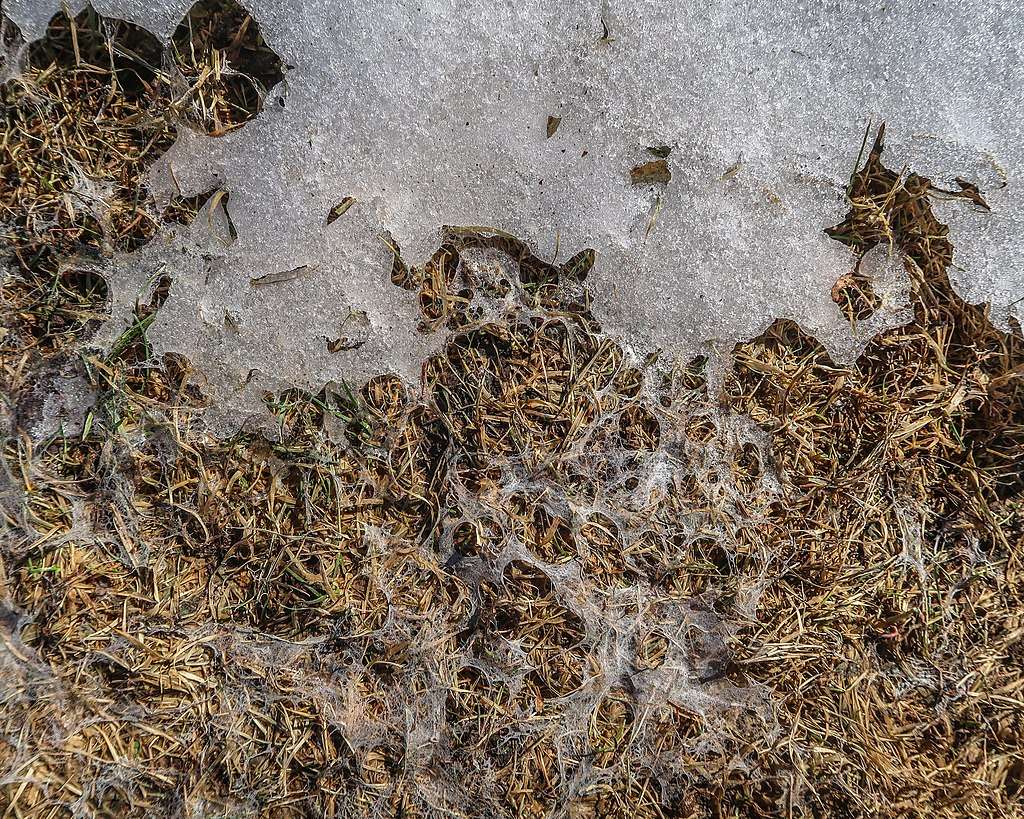
What causes it? Those chilly, damp conditions under the snow in your yard.
The longer your lawn is covered with snow, the greater the chance of snow mold developing.
When we have a long, snowy winter, with your lawn covered for weeks, snow mold thrives in your cold, soggy grass.
Can you do anything to prevent it? Maybe head outside with your hair dryer or a flamethrower to try to melt the snow? The less snow that lingers, the lower the chance of snow mold developing.
It’s probably smarter to grab your shovel and disperse any big piles of snow that take forever to melt. Spread it around in a thinner layer so it melts faster.

Maybe you had better things to do over the winter than move snow around your front yard. Then, as the snow starts to melt in the spring, you notice weird gray patches on your grass. Is it snow mold? How can you tell?
Look for these signs:
- Matted grass. The blades of grass will look brittle, crusty and stuck together.
- Weird colors. Your grass will look gray, pinkish, beached white or light brown.
- Circular patterns. Winter lawn disease often forms in rings as the fungus spreads outward.
It’s kind of gross. What should you do? Is snow mold harmful?
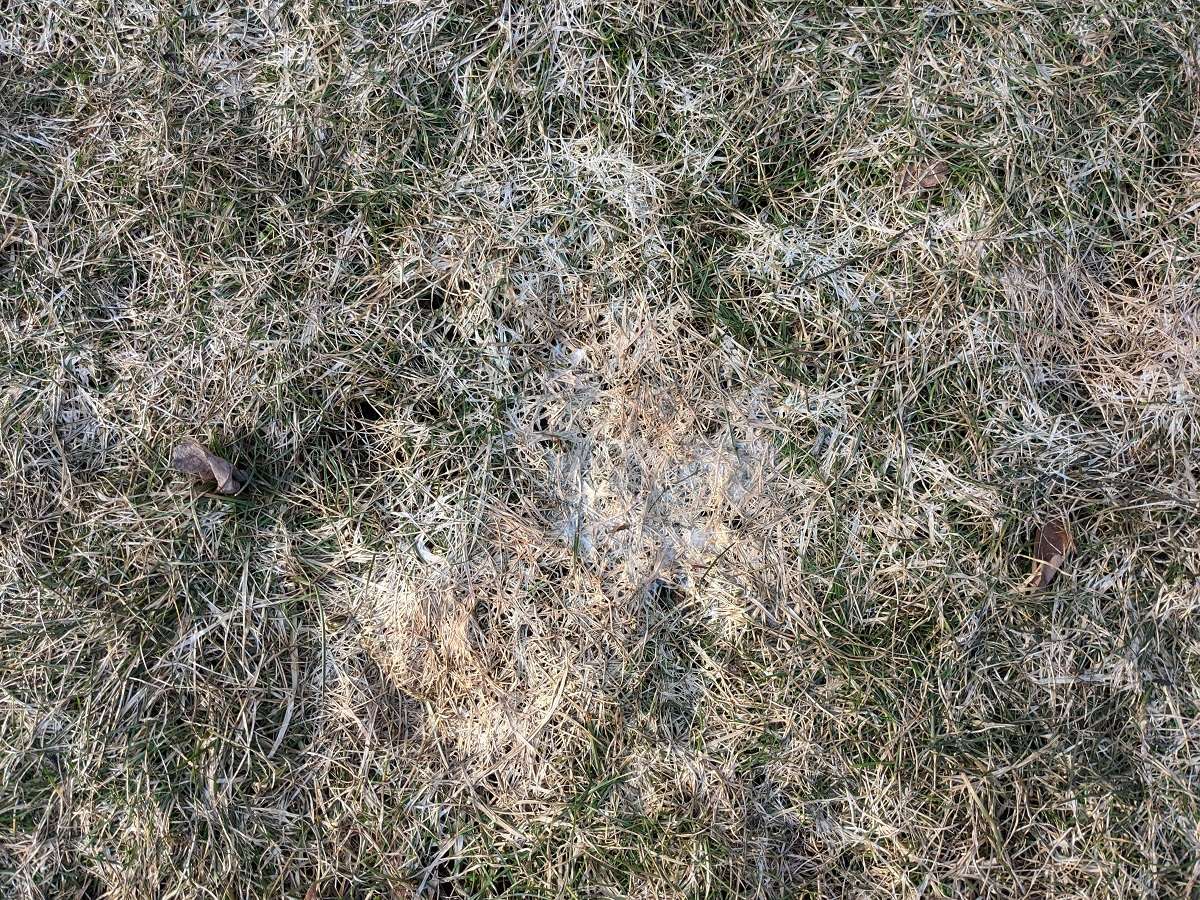
The good news is you don’t need to panic. Grab your rake, if you can find it in the garage behind your snowblower and skis, and gently rake out the moldy area so sunlight and air can reach your grass and help dry up the moisture. You shouldn’t need to treat it with fungicide.
When will your lawn recover from winter damage? Your grass should green back up on its own in a few weeks.
Can You Prevent Winter Lawn Disease?
Winter lawn fungus isn’t the worst thing to happen to your lawn. But the exact steps you can take to help prevent it are also really good for your lawn’s overall health, so why not take some proactive steps?
Help Prevent Cold-Weather Lawn Disease by Fertilizing in Fall
A strong, healthy lawn can stand up better against snow mold than a weak, hungry one.
As your lawn prepares to head into winter, please give it a good feeding. It needs one last nutrition boost to bulk up for the cold ahead.
A balanced fertilizer application will promote healthy growth and improve your lawn's resistance to snow mold.
Mow Short (Yes, You Heard That Right)
We’re usually the last ones to advise anybody to mow their lawn short. Taller grass has a healthier, deeper, stronger root system. That’s a good thing.
But if you’re trying to prevent winter lawn disease, it’s okay to mow your lawn shorter this one last mowing before winter.
Snow mold likes to form on longer grass. So go ahead and mow your lawn at about two inches for this last cut of the season. You’ll help prevent snow mold from forming.
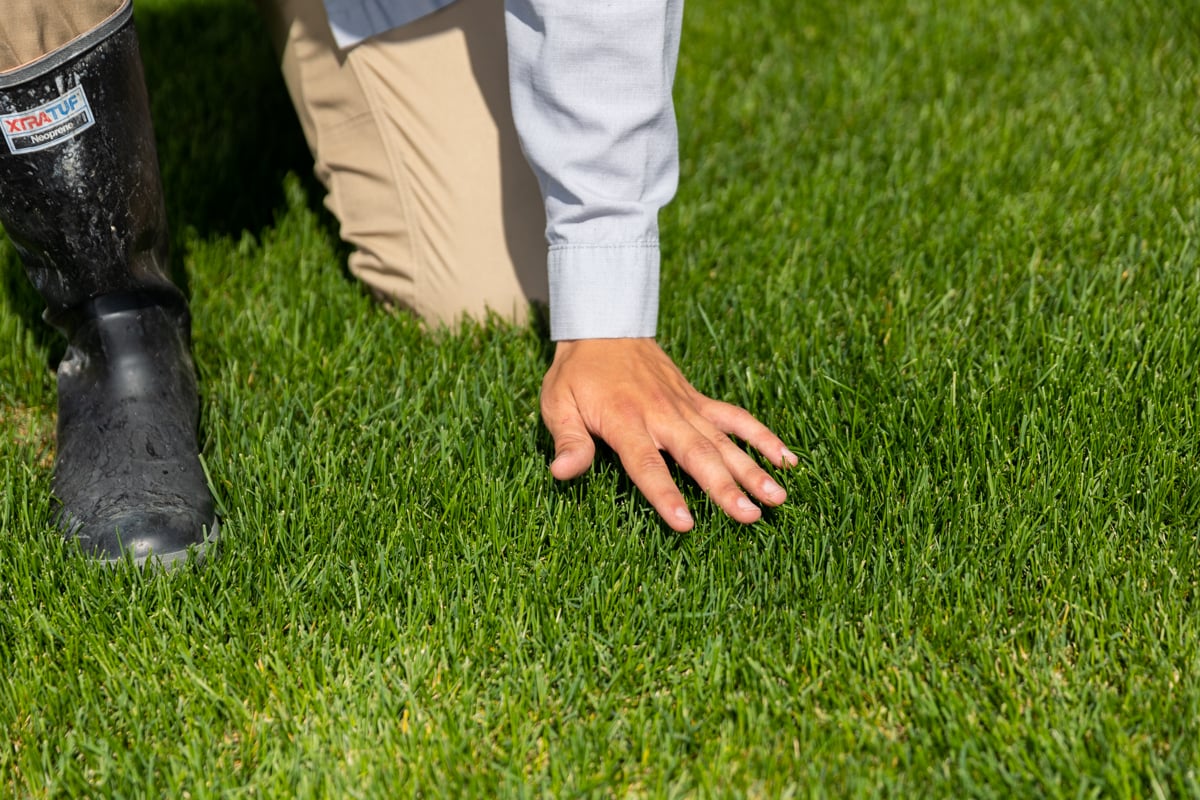
While you’re at it, remove the grass clippings this time. Yes, leaving those clippings to decompose and feed your lawn is our typical advice. But grass clippings create the soggy conditions that favor snow mold.
Don’t Skip Fall Yard Cleanup
That carpet of decomposing leaves traps moisture. Moisture encourages snow mold. So clear out any soggy lawn debris before the first snowfall.
Aerate Your Lawn to Remove Thatch
Snow mold loves thatch, that spongey layer of dead grass and stems between your grass blades and the soil.
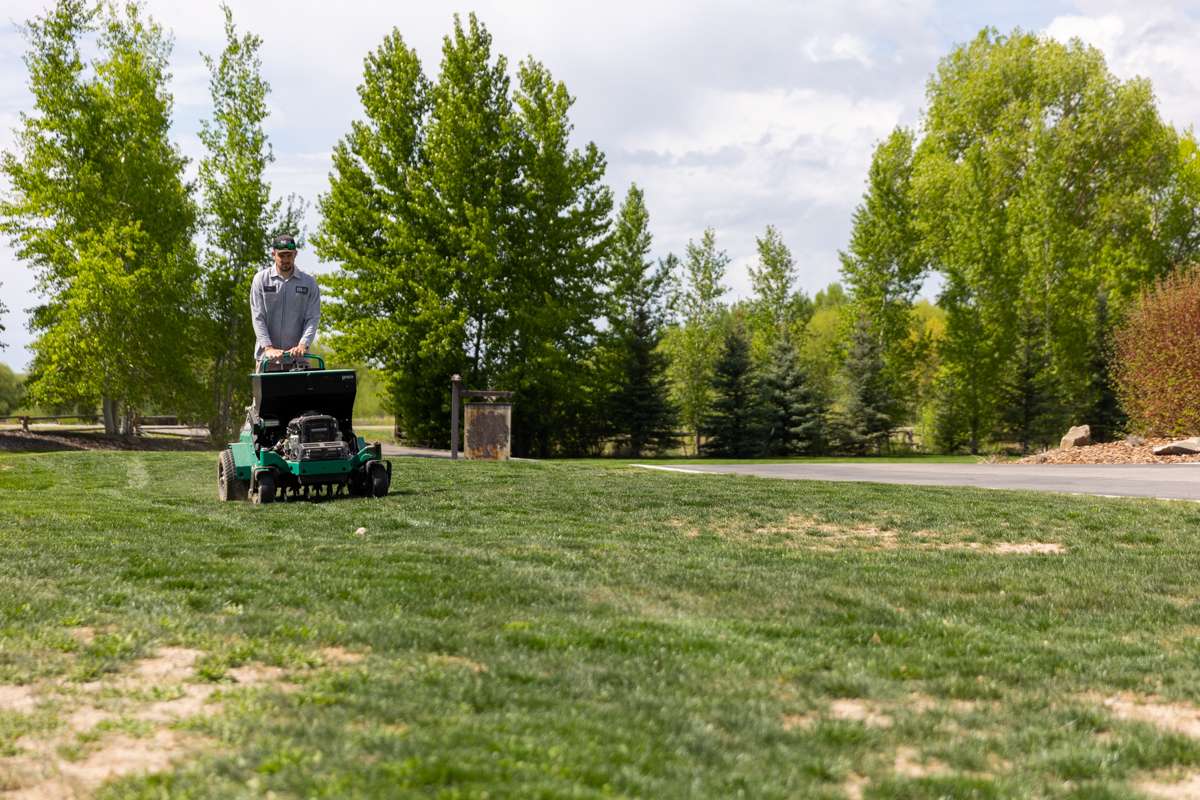
Aeration breaks it up, allowing beneficial air and water to get to your lawn’s roots.
Get on Board with a Comprehensive Lawn Care Program
Winter lawn fungus hates a healthy lawn.
A well-fed and well-maintained lawn can withstand an attack better than one that is hungry and stressed.
Keep your grass thick, lush, and healthy with an Idaho Falls lawn care service's annual maintenance program for strong, healthy roots.
Winter Lawn Damage: What Else Can Go Wrong?
Snow mold isn’t the only winter villain that can damage your lawn:
Winter Burn Dries Out Your Grass
The scientific name for this is dessication. It happens when cold, dry wind pulls moisture from your grass blades faster than the roots can replace it from the frozen soil. If there’s no snow on the ground, there’s a bigger risk of this winter burn. (Snow acts like a fluffy blanket of insulation.)

Foot Traffic Crushes Brittle Blades
Brittle, frozen grass blades are fragile, and too much foot traffic can damage them and even kill the grass roots if the ground is really frozen.
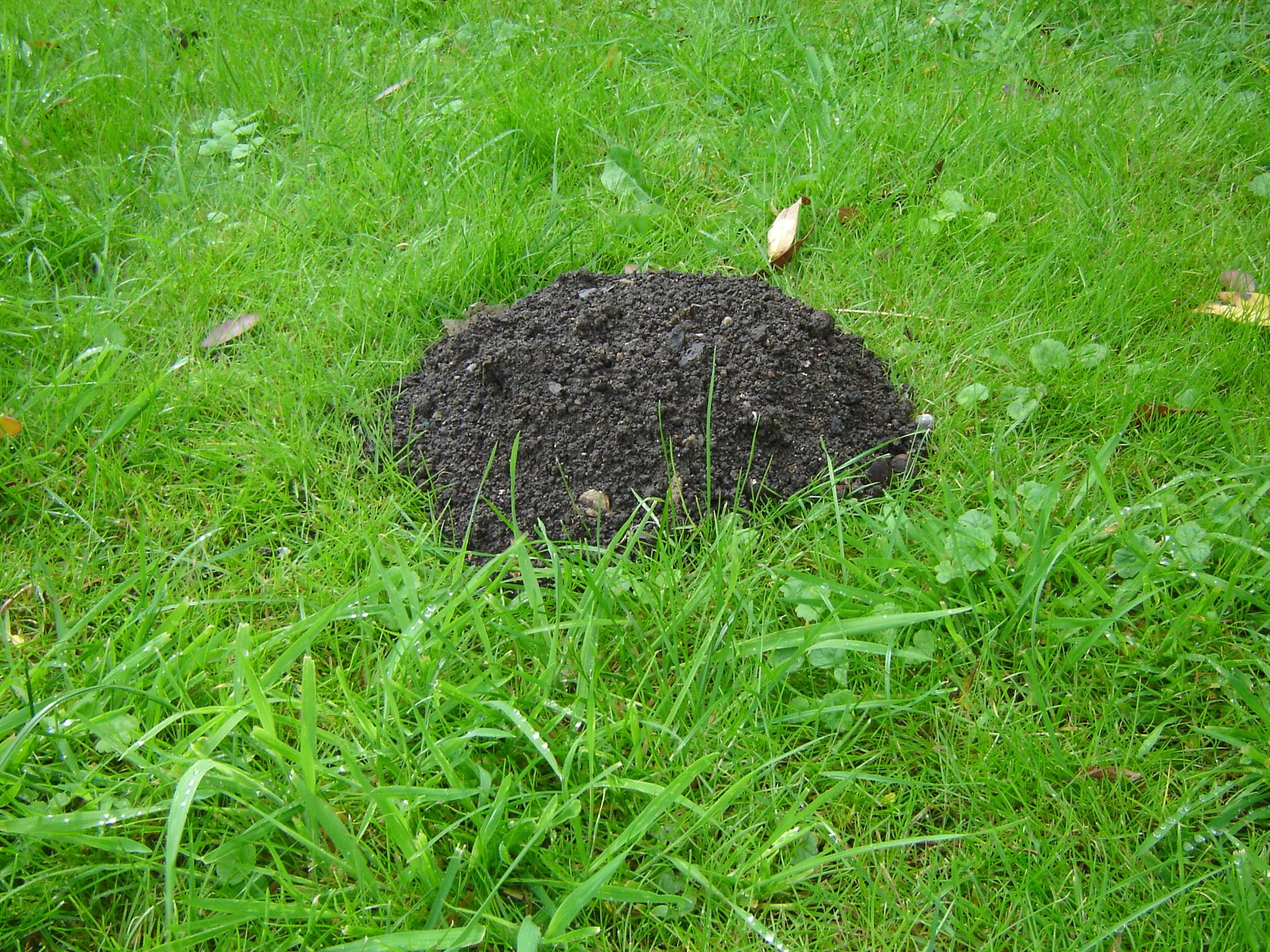
Hungry Rodents Tunnel and Munch
It’s tough for critters like voles to find food in the winter. They can cause winter lawn damage by tunneling and feeding on the grass crowns.
Ice Smothers Your Lawn
Ice can form in low-lying areas where water accumulates and freezes. That can smother and damage your grass.
Ice Melt Products Cause Salt Burn
Ice-melt products can damage your grass, turning it yellow or brown and causing it to die. Always follow the recommended application rate for your specific ice melt product to help prevent it from getting into your lawn.
Snowplows Gouge Grass and Cause Ruts
If you look at snowplows from your lawn’s perspective, they’re huge, terrifying beasts.
Sharp steel blades dig into the grass's edges and tear it up. Tires create deep ruts in the lawn. Plows can hit vulnerable sprinkler heads and landscape lighting fixtures.
All this leaves behind ugly bare spots and uneven ground when the snow melts in the spring.
In their defense, deep snow and dark nighttime plowing make it hard for plow drivers to see pavement edges.
If you place reflective snow stakes to mark where your pavement ends and lawn begins, they’ll help plow drivers avoid your lawn and your sprinkler heads, so you’ll have less winter lawn damage to repair in the spring.
How to Help Your Grass Recover After Winter Lawn Damage
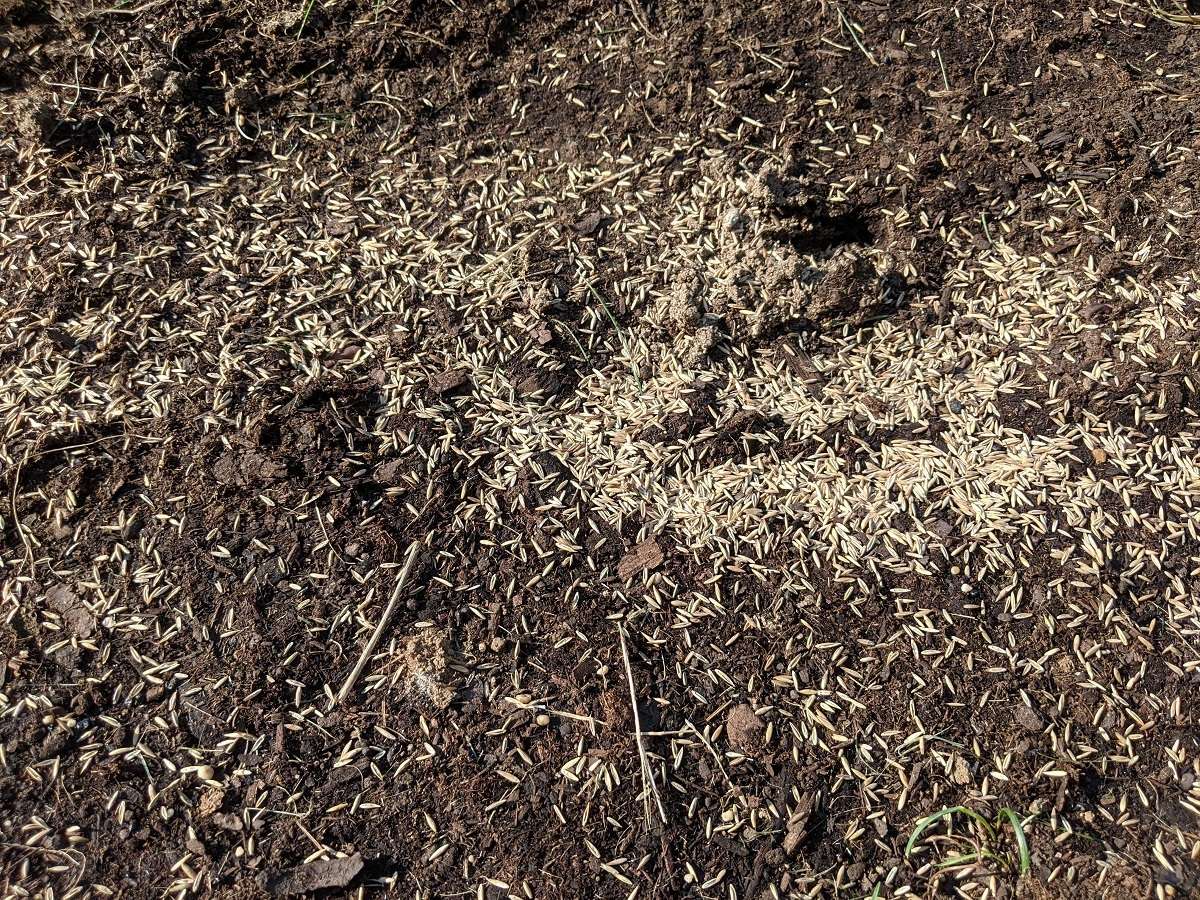
Part of welcoming spring is often fixing bare patches of grass — whether the damage is from snowplows, salt burn or hungry critters.
Here’s how to do it:
1. Wait until the ground has thawed and your grass starts to turn green.
2. Flush the excess salt from your lawn with water. The spring rain will help with that, too.
3. Gently rake out any dead, damaged grass to help air reach the soil. This also loosens the soil a bit, preparing it for the seed.
4. Spread high-quality grass seed over bare or thin spots. Lawn Buddies fertilizer manager Dillon Beardall recommends a mix of 80 percent Kentucky Bluegrass and 20 percent Perennial Ryegrass, whether you’re repairing winter lawn damage or starting a lawn from scratch. Unlike a single-variety grass seed, this blend gives you the benefits of both lawn types.
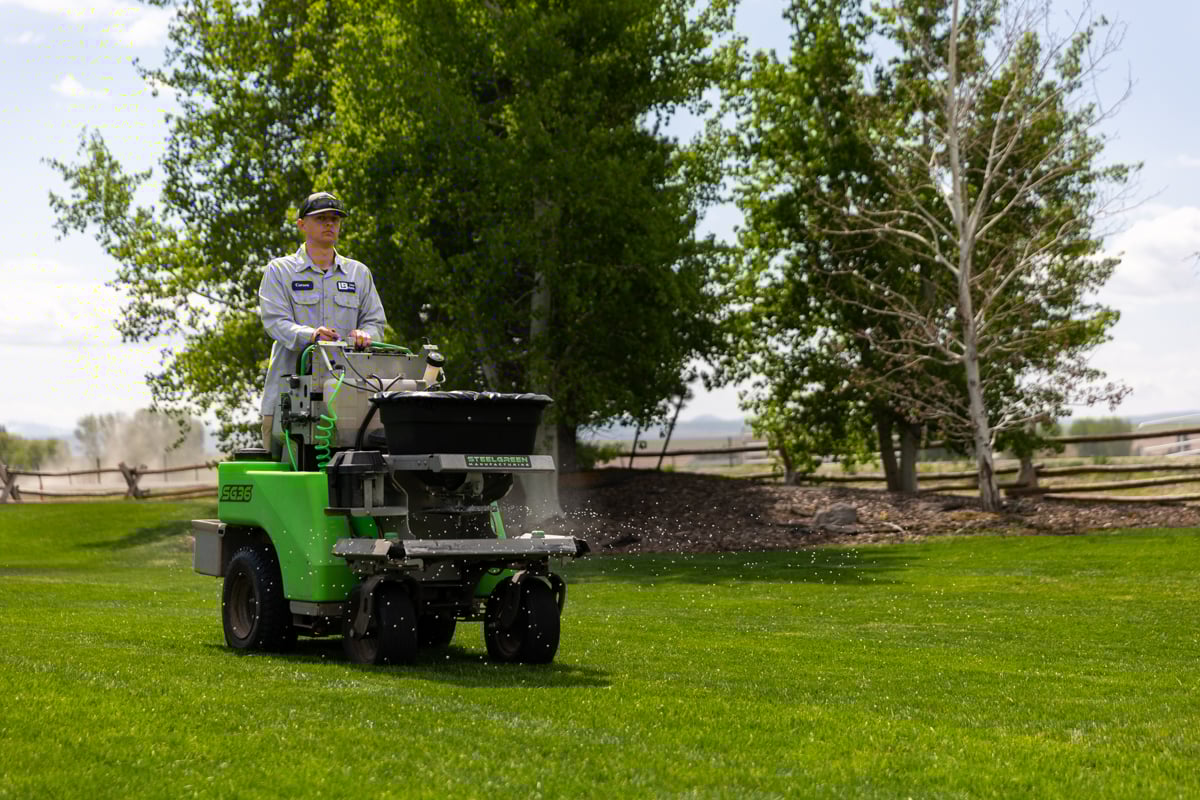
5. Scatter grass seed over the soil, scratching the soil a bit and tamping it down so you know there’s good contact.
6. Apply a starter fertilizer to give your new seedlings nutrients for a good start. Designed for new grass, it contains phosphorus and quick-release nitrogen in smaller doses for your new lawn’s tender roots.
7. Keep the seeded areas consistently moist — but not soggy — with light, frequent watering.
8. Limit foot traffic as your seed sprouts. That tender new grass needs a chance to take hold and fill in.
Recover from Winter Lawn Damage with Lawn Buddies
It almost makes you feel guilty sipping cocoa by the fire when your poor lawn is really going through it out there.
Do your part by setting it up with lawn care services in Idaho Falls designed to keep it healthy and strong — and better able to withstand winter's ravages.
Better yet, make all that easy on yourself. Get simple, hassle-free, quality core lawn care services with Lawn Buddies.
No stressing about which complicated combination of lawn care services you need. You don’t have time to fuss with all that. Give yourself a break.
Lawn Buddies features one premium, six-visit lawn care program that includes everything your lawn needs to grow healthy and green.
Fertilizer, weed treatments, and grub control, all wrapped up in six visits, each perfectly timed throughout the season, so your grass is green and strong and resists weeds and pesky invaders like snow mold lawn disease.
Got a few minutes? That’s all you need to get started. Just fill out the form on this page, call us at (208) 656-9131 or read more about our services. Then, you can kick back and relax while the snow flies.
Image Source | Snow Mold, Snow Mold 2, Molehill
