
When you bring home a new puppy, friend, or houseplant, you feed them.
So when you bring home and plant a new shrub, you feed it, right?
Actually, no. There are things about new shrub care that might surprise you.
Table of Contents
- How to Care for New Shrubs? Plenty of Water
- Mulch Protects Roots & Retains Moisture
- New Plantings Don't Need Fertilizer (Yet)
- Invest in a Plant Health Care Program
- Got New Shrubs? Avoid These Mistakes
- FAQ: Care for New Trees & Shrubs in Idaho Falls
- How to Care for New Shrubs? Leave it to Lawn Buddies
Do new shrubs need special care? They do. New shrubs need consistent watering for the first few months and mulch to hold in that important moisture and keep weeds at bay. But hold off on the fertilizing and pruning —new shrubs don’t need either of these right away.
Let’s learn more about how to care for new shrubs.
How to Care for New Shrubs? Plenty of Water
Newly planted shrubs need more water than established shrubs. So keep your new shrub well watered – don’t let it dry out completely during its first season.
Water it well at planting time, then daily for the first two weeks, deeply soaking the rootball area. Then water every two to three days for the first few weeks.
Once your shrub is established, remember that too much water can be as harmful as not enough.
Less frequent, deeper watering is better for your established shrubs, encouraging the roots to dive deeper for water.
The best time to water is early morning, before the sun is out, to reduce evaporation. You don’t want that important water vanishing into the air.
Mulch Protects Roots & Retains Moisture
Mulch is more magical than it looks. It’s a crucial maintenance step for new landscape plants in Idaho Falls.
Mulch helps the soil around your new shrubs retain moisture, keeps weeds from sprouting, and moderates the soil temperature. Plus, a coating of rich brown mulch just plain looks great. You might linger in your driveway a while just so you can happily gaze at it.

Spread 1-3 inches of the stuff, but don’t pile it too close to the base of your shrub. (More on this shrub care mistake in a bit.) Leave room for your shrub to breathe.
New Plantings Don't Need Fertilizer (Yet)
It’s tempting to feed your new shrubs right away. They must be hungry, right? No need. At least, not yet.
Fertilizer will encourage your new shrub to put out new growth, and that’s not a priority right away. It should use all its energy to establish strong roots.
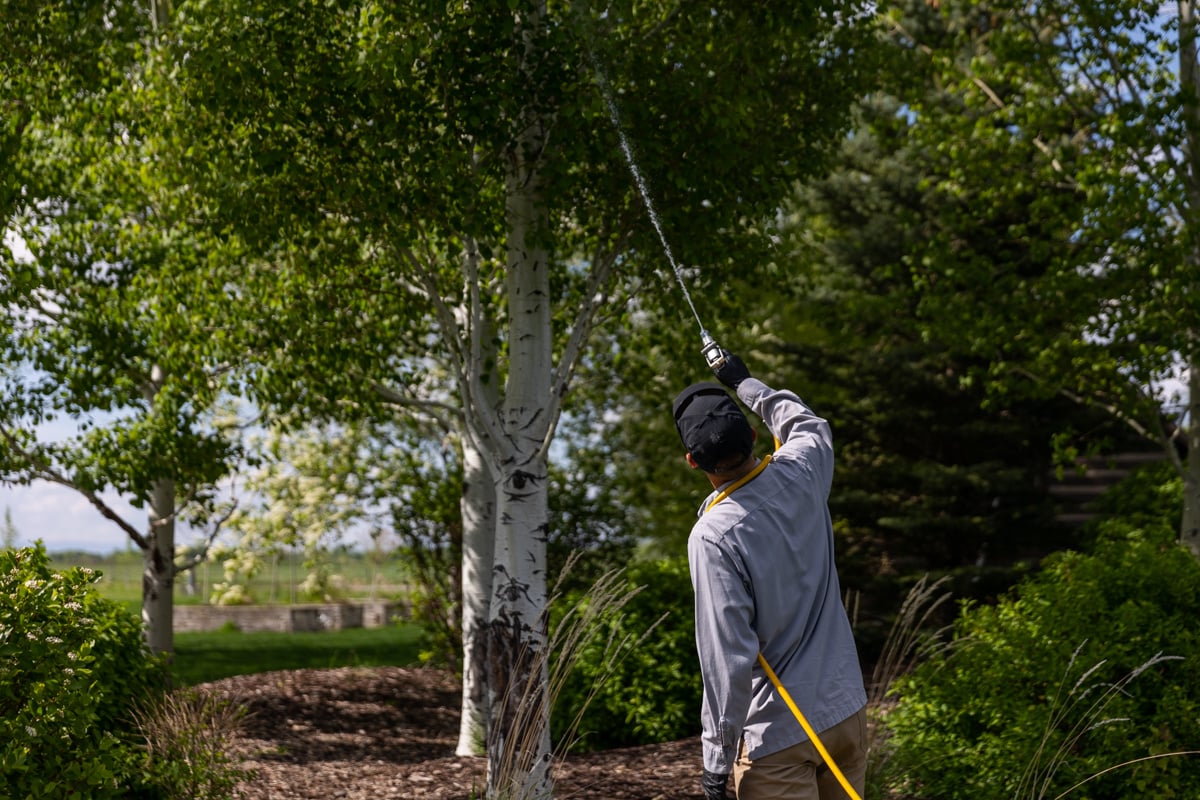
Newly planted shrubs can’t really absorb those important nutrients until they grow an adequate root system. Fertilizing too soon can actually prevent good root growth.
How to care for new shrubs? Instead of fertilizer right away, give them a root stimulant product to help the plant take root and establish a healthy root system.
These products have low fertilizer content — the ingredients are more focused on root promotion over top growth.
Later, once your shrub is established, absolutely get it on a fertilizer schedule. Plan to fertilize in spring and fall to keep your shrubs thriving. More details on this in a bit.
You might not see your new shrub grow much in the first season. Don’t be too disappointed. Your shrub is spending most of its energy at first growing roots, which is super important for its long-term health. You’ll see more growth in its second year.
Investing in a Plant Health Care Program
Do you need plant health care programs for new landscapes?
Once your new shrubs are established, after their first full growing season, they absolutely need skilled plant health care to keep them healthy and strong. They go through a lot out there. Bugs munch on them. Diseases strike. Their roots are hungry for nutrients.
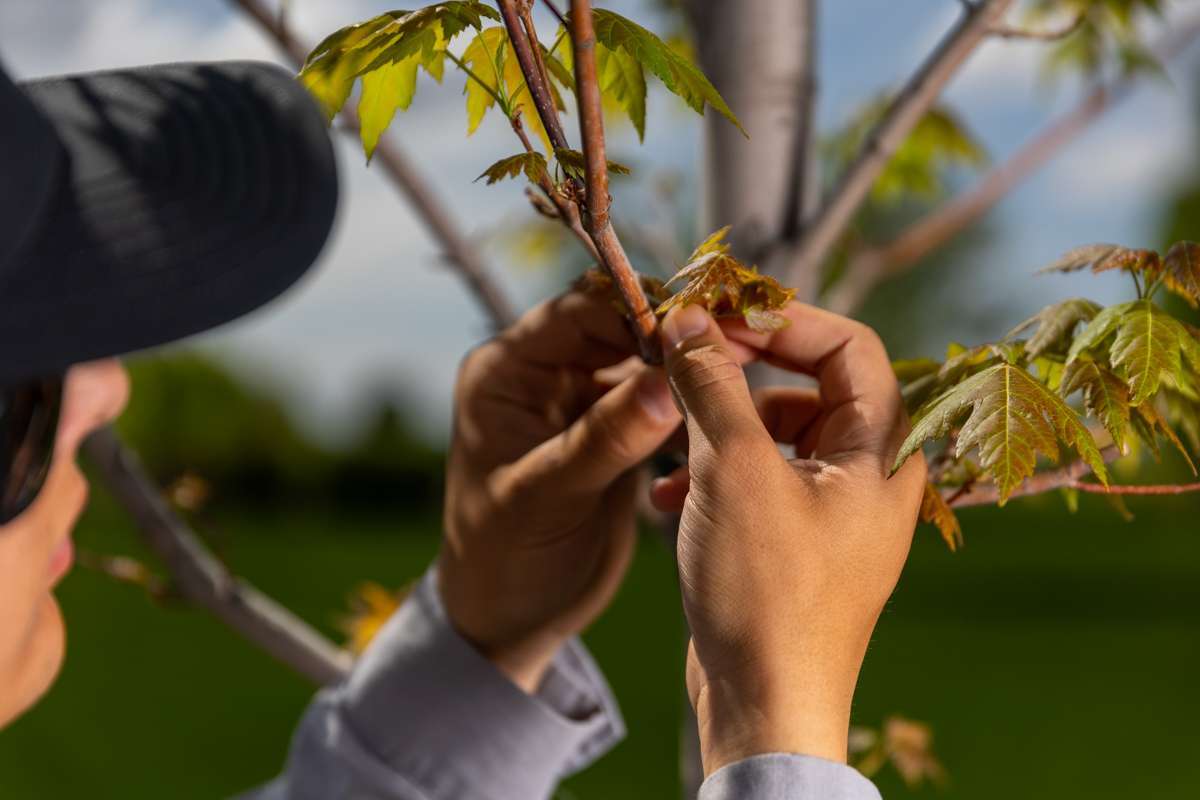
All of this means occasional shrub maintenance to battle bugs, prevent diseases and feed your precious shrubs so they’re strong and healthy enough to stand up to whatever Idaho dishes out.
What does comprehensive plant health care in Idaho Falls include?
Take a look:
Fertilizer Is Food for Your Hungry Shrubs
Once your new shrub has had a few months to settle in, it’s time for that fertilizer.
Fertilizer gives shrubs a boost that improves their health and appearance, from strong roots to glossy leaves to plentiful, pretty flowers if it’s a flowering variety.
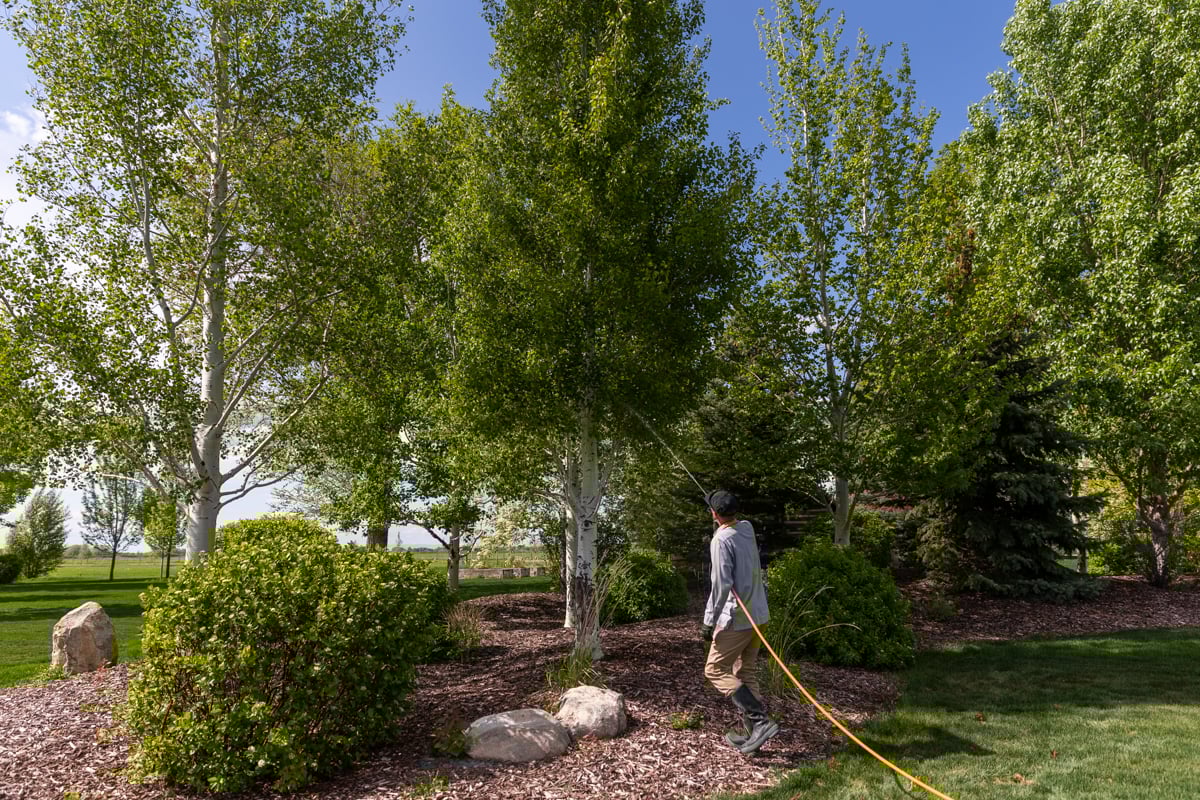
A 16-16-16 blend is a good all-purpose fertilizer to nourish your shrubs— a balanced mix of nitrogen, phosphorus and potassium that boosts trees and shrubs in several ways:
- Nitrogen helps with photosynthesis and leafy green growth
- Phosphorus stimulates blooming
- Potassium helps build strong roots and improves overall plant hardiness
Insect Control to Protect from Munching Bugs
You’d be surprised how tasty your shrubs are to hungry insects.
Aphids pierce stems, leaves, and buds of your tender new shrubs, sucking out the fluids. Then they leave behind a gross sticky substance that attracts other feasting bugs. They’re the most common insects found on shrubs here in Idaho.
Spray treatments three times a year zap any aphids crawling on your shrubs and stop them from eating your plants.
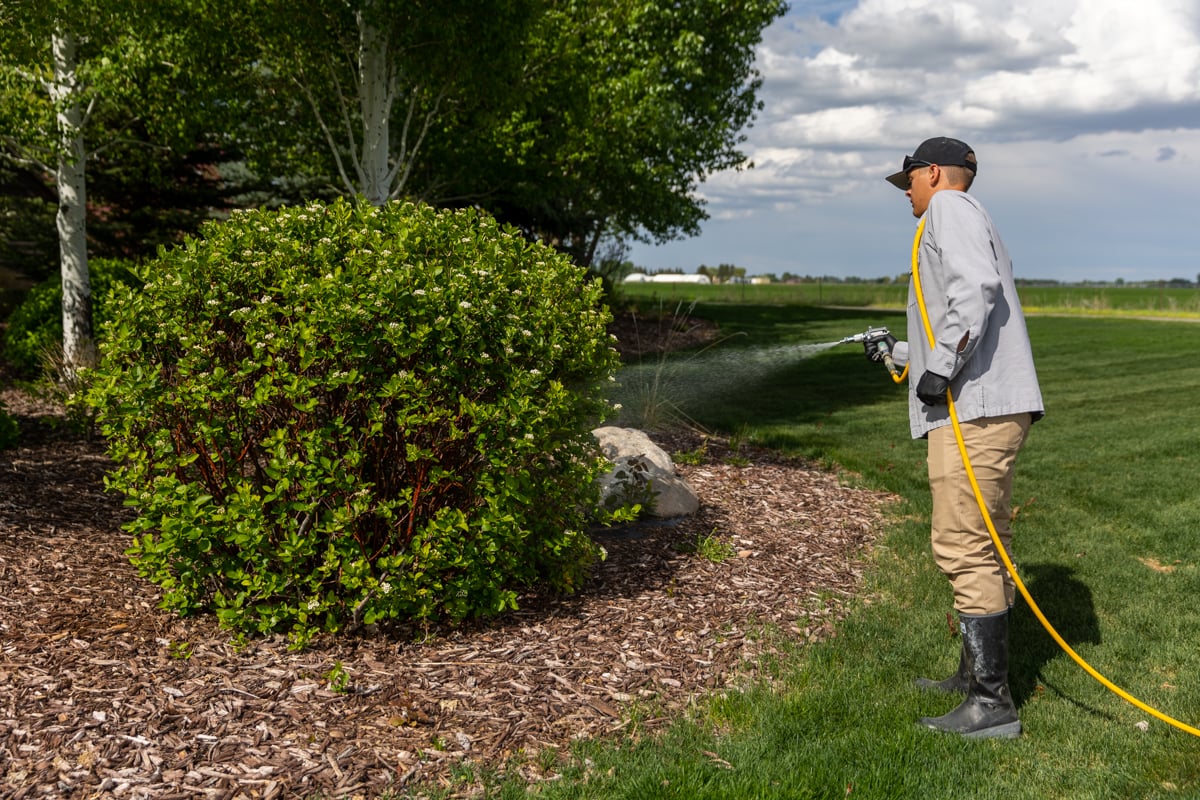
It’s a lot easier to prevent aphids than to treat them after they show up.
Scale suck sap from shrubs, too, causing leaves to wilt and stunting your shrub’s growth.
And spider mites are so tiny you can barely see them. But they stealthily gather underneath your shrubs’ leaves, pierce the leaves and suck up the plant fluids.
A word about spider mites: they seem like insects, but they’re actually a type of arachnid, relatives of spiders, ticks, and scorpions. So your shrubs need a miticide specifically designed to kill mites.
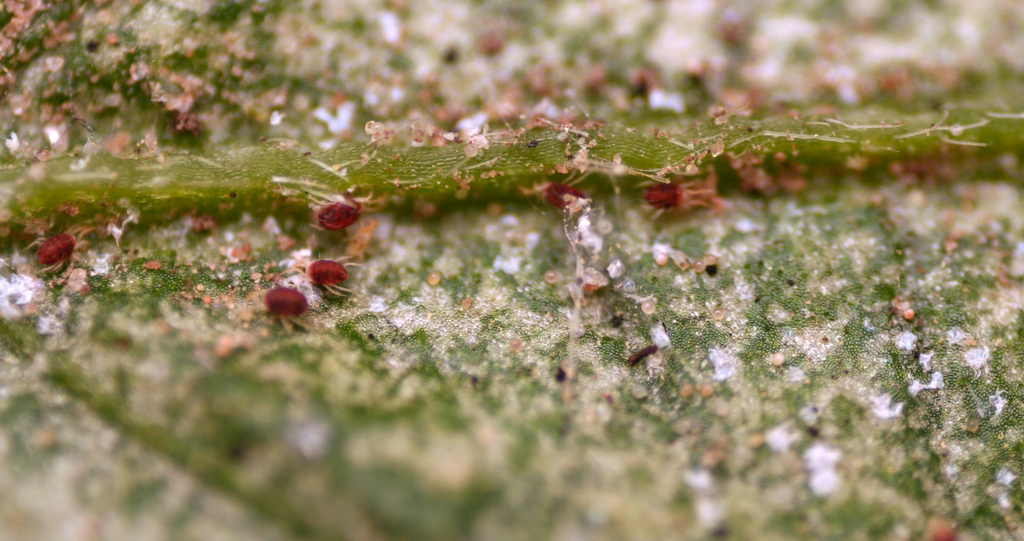
All these hungry bugs are bad news for your tender shrubs.
Plant health care in Idaho Falls sends experts with sprays, skills and training to shut down the beastly bugs.
Plant Diseases Make Things Ugly
When plant diseases like leaf spot strike, your shrubs’ leaves turn yellow and fall off.
If the infection is widespread, fungicides can help. Plant health care services make your shrubs shine again.
Got New Shrubs? Avoid These Mistakes
New shrub care is pretty easy, but there are a couple new shrub care mistakes to avoid:
Too Much Mulch
Yes, we love mulch, but not too much.
You may have seen trees and shrubs surrounded with tall piles of mulch that look like volcanoes. That’s bad.
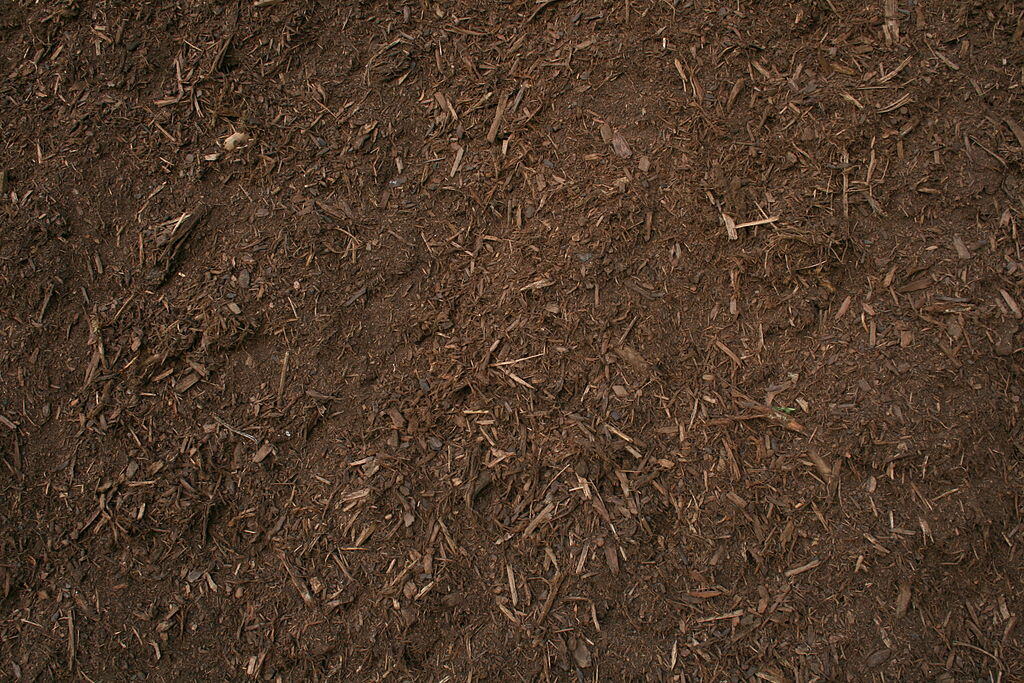
Too much mulch piled around the base of your shrub traps moisture against the trunk, which can cause rot.
And when mulch is too deep, it prevents your shrub’s roots from getting the oxygen it needs.
Too Much Fertilizer
When caring for newly planted shrubs, we often assume if a little food is good, a bunch is even better. Not true. Yes, fertilizer is your shrub’s nourishing food, but too much can burn its roots, injuring your shrub.
Flowering shrubs that get more nitrogen-rich fertilizer than they need might actually flower less, not more.

It’s important to follow the directions. Better yet, trust this task to a pro plant health care team that knows exactly what your shrubs need when, for top-level care.
FAQ: Care for New Trees & Shrubs in Idaho Falls
Questions? We have answers:
1. How often should I water my newly planted shrub?
Newly planted shrubs need extra water during their first season. Water daily for the first two weeks, then every 2-3 days for several more weeks. Once your shrub is established, reduce frequency and water more deeply to encourage strong roots.
2. How do I know if I'm watering my shrub too much or too little?
Poke your finger a few inches into the soil. The soil should feel moist, not soggy.
Check the leaves. Are they yellowing? That can mean your shrub is getting too much water.
Do the leaves have crispy brown edges? That can mean it needs more water.
3. Is mulch really necessary for new shrubs?
Absolutely. Mulch helps keep soil moist, suppresses weeds, and moderates soil temperature—all essential for young shrubs in Idaho’s variable climate. Just be sure to spread only 1–3 inches and keep it away from the base of the shrub to prevent rot.
4. Should I fertilize my new shrub right away?
No—hold off on fertilizing immediately after planting. Young shrubs need time to establish their roots before pushing new growth. Begin a fertilizer schedule once the shrub is established, typically after its first full growing season.
5. What common mistakes should I avoid with new shrubs?
The biggest mistakes are using too much mulch, over-fertilizing, and watering too frequently (or too little). Avoid “mulch volcanoes” (piles of mulch against the stem) and always follow package directions for any fertilizers or treatments.
6. Can Lawn Buddies help with shrub care or pest problems?
Yes! Lawn Buddies offers full-service lawn care plans—including shrub and plant health treatments—for homeowners in Idaho Falls and surrounding areas. We can help protect your leafy investment from insects, diseases, and other common problems.
How to Care for New Shrubs? Leave it to Lawn Buddies
Get your new leafy pals off to a great start with plant health care services in Idaho Falls that know exactly what they need — and don’t need.
What’s the best way to care for new landscape plants? Leave it all to us.

Expert tree and shrub maintenance is available for our Idaho Falls customers who use our full-service lawn care program.
The first step is to sign up for our 6-step complete lawn care program.
You’ll be glad you did.
Choose an Idaho Falls professional lawn care service that makes it easy, bundling your yard’s most-needed treatments into one convenient, no-fuss plan.
Got a few minutes? That’s all you need to get started. Fill out the form on this page, call us at (208) 656-9131 or visit our site to read more about our services. Then, you can kick back and relax in your healthy, thriving yard.
